


Brossman’s Family Farm: Where Sustainability Meets Community Support
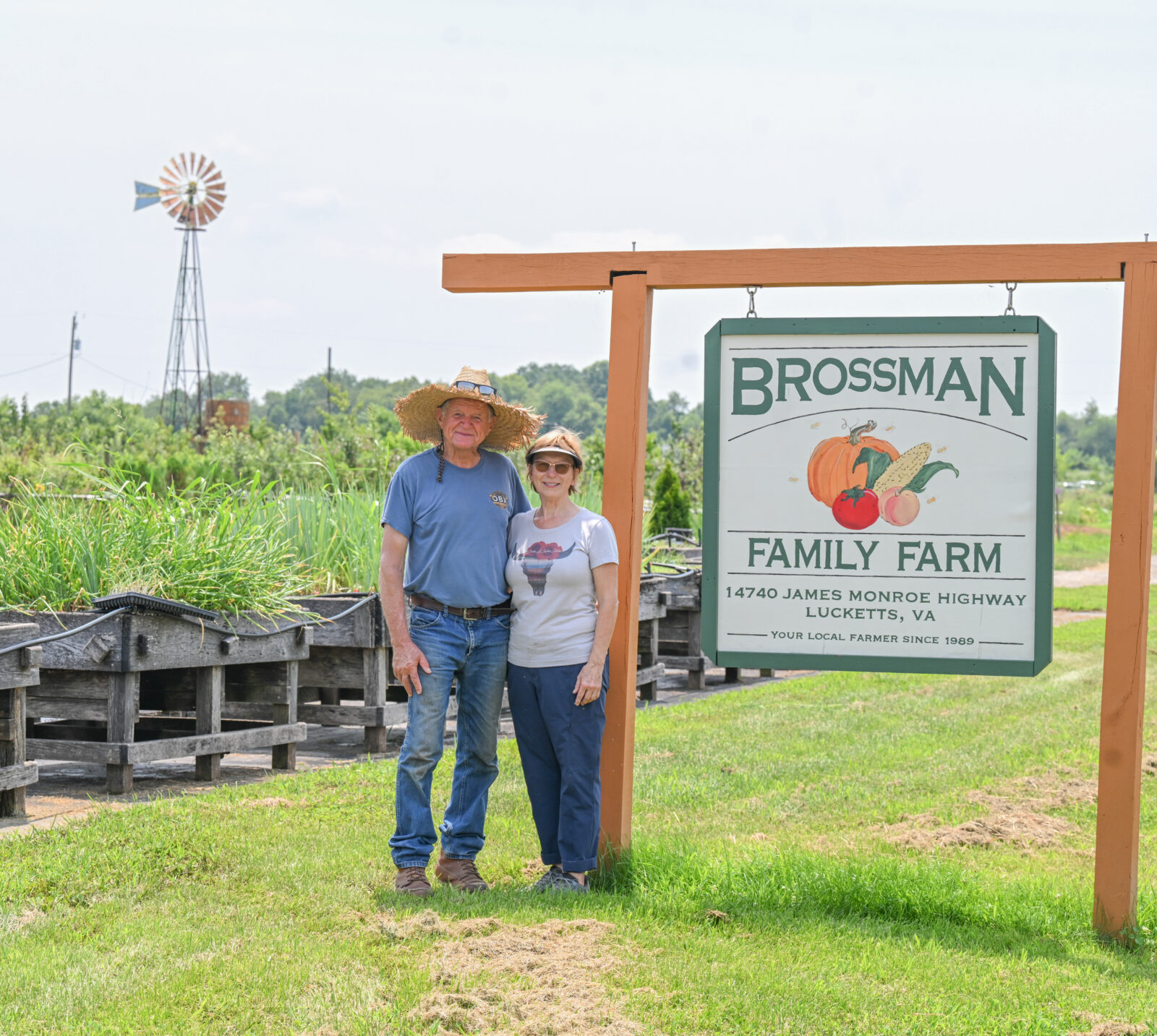
Written by Emerson Leger | Photos by Sherri Holdridge
At Brossman’s Family Farm, the sweet sound of the mockingbird can be heard if one listens closely. Located off James Monroe Highway in Lucketts, the fields have been managed by husband-and-wife team Rick and Stephanie Brossman since 1989. For the past 14 years, they’ve grown produce.
Rick Brossman has been farming since he was 14, when he would travel from Virginia to his grandfather’s farm in Pennsylvania. When the time came to start his own, he did so with two goals in mind: sustainability and community support.
“Sustainable means how do we maintain the knowledge of how we do what we do, so that we can pass it on from one generation to the next generation without losing it,” Brossman explains.
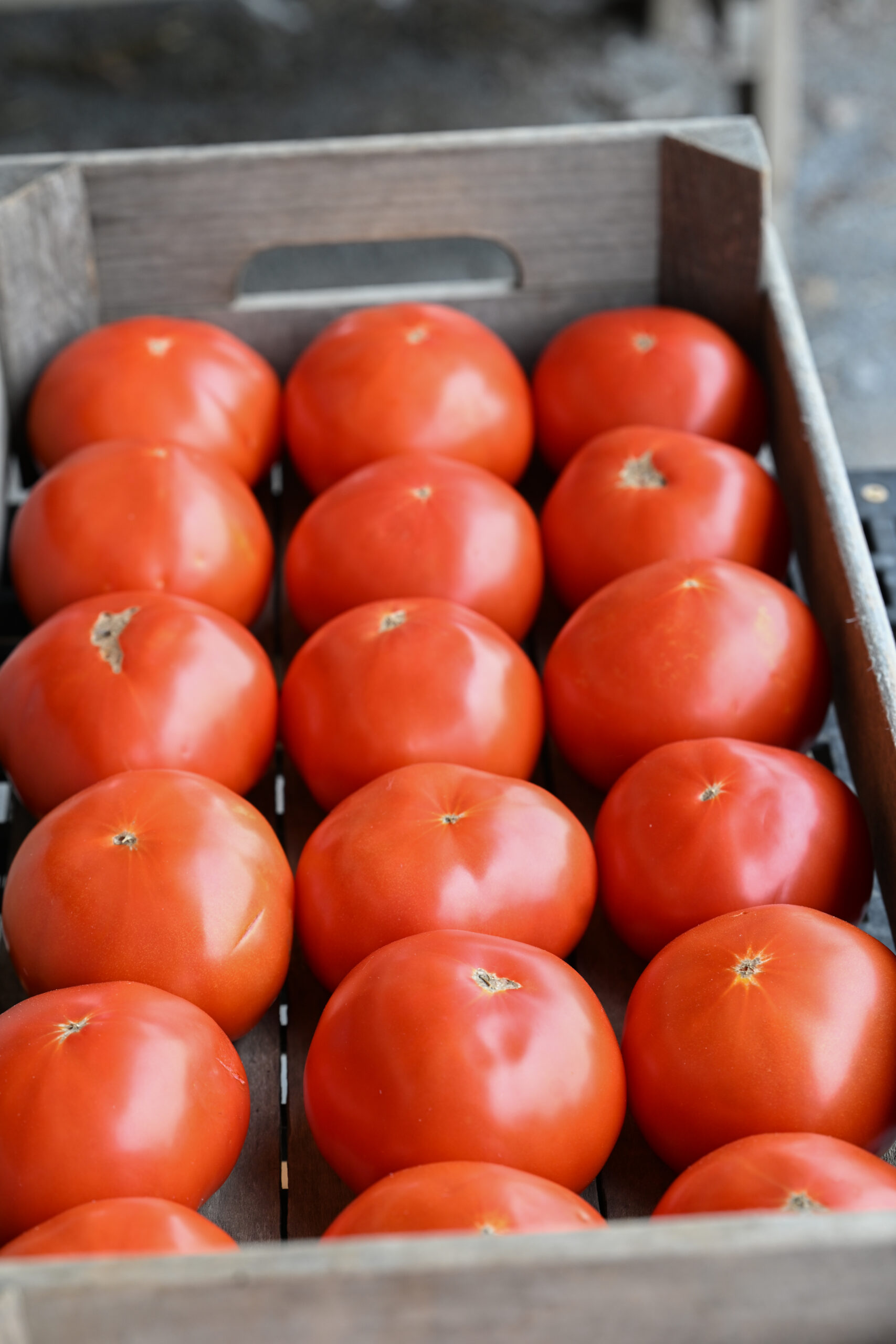
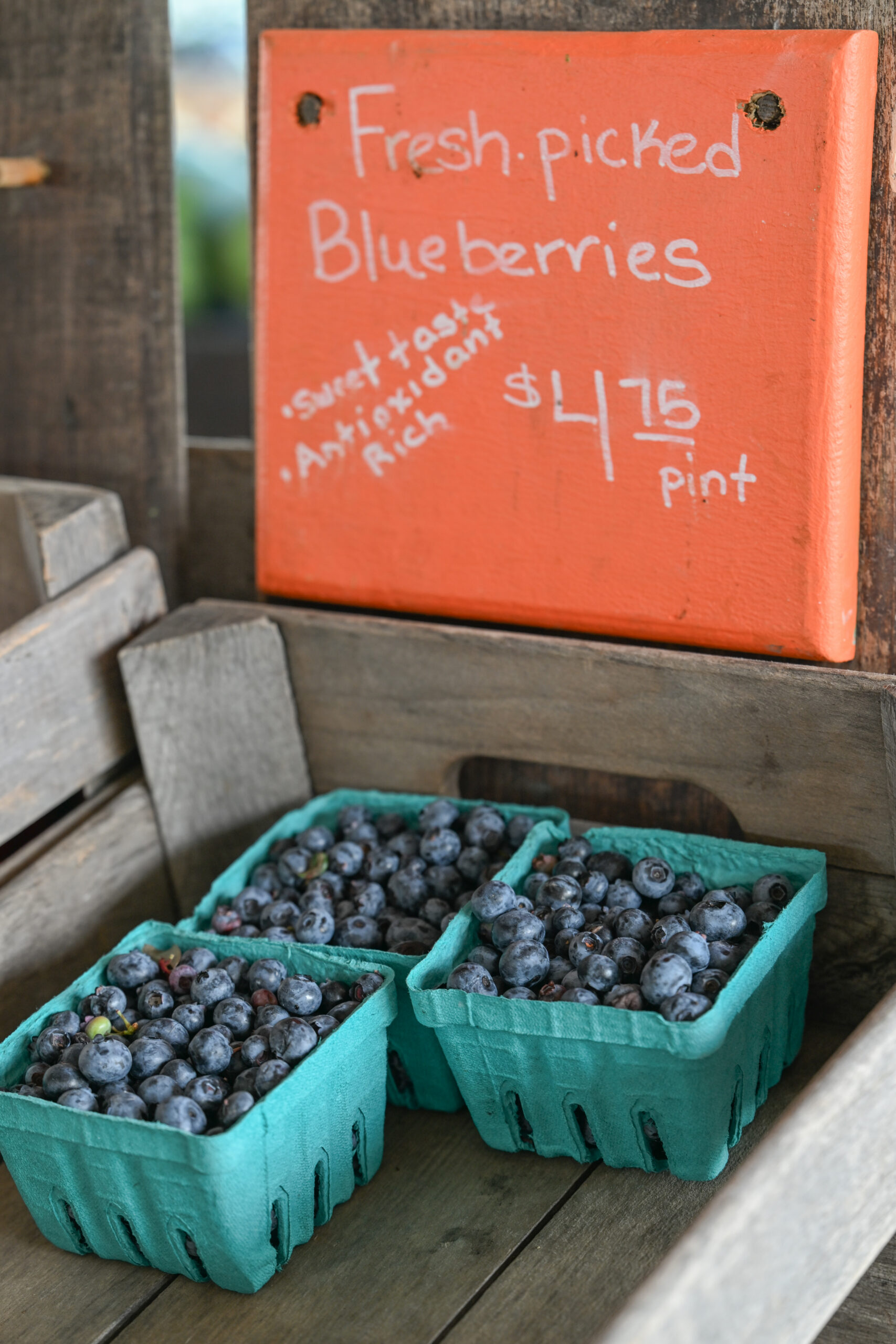
In order to expand the practice of environmentally friendly farming, the Brossmans went out into the community to find people who were farming to their standard and brought them in to grow specific products. This model would prove successful.
“Over the course of a number of years, we just kept expanding the number of people. Of course, they’re all state-inspected and -approved. I’m always very focused on the safety of the product,” Brossman says.
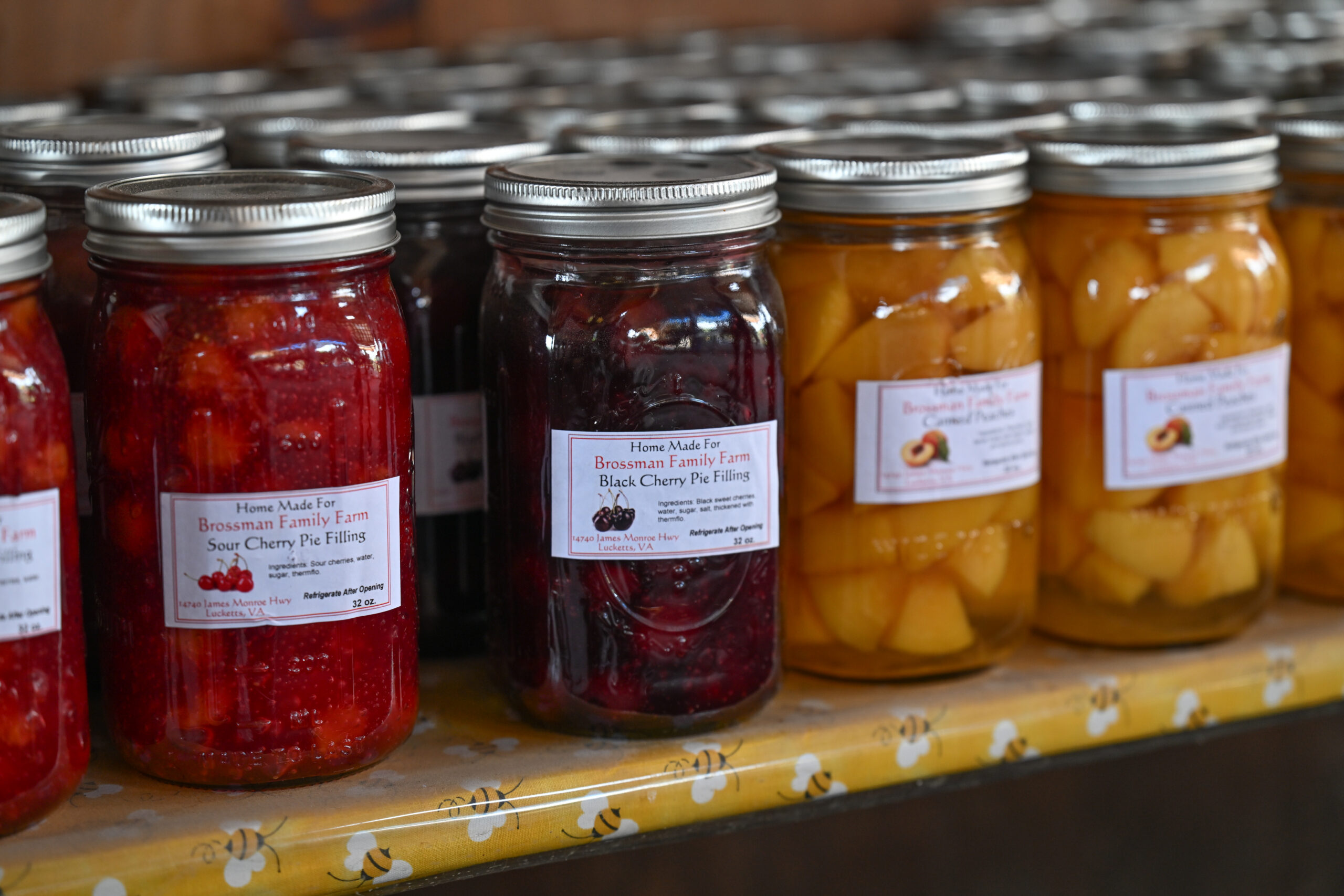
This helped achieve their second goal, which was to support the community. Customers pour into the farm not only for seasonal produce, but for locally sourced, homemade jams and pies. “We feed a lot of people from this farm stand,” he says. The pies are made nearby and available Friday, Saturday, and Sunday.
“At the end of the day, what we have now is… a very wide selection of food coming in locally here, very safe, and on top of that — back to the sustainable farming — these farms that were going out of business are now staying in business because now they have a market here to move their product through,” he explains.
For Brossman, part of community support is training and educating people on how to grow the crops. This year, he invited those interested to learn about how to take care of Russian mammoths, a type of sunflower.
“I bring them out and I ask them to choose which sunflower they would like to have, and then I put their name on it… Then I explain to them how we’re growing these, and I show them what the bees are doing, how they’re making the honey from that. I tell them that in the winter time when the snows come, I want them to put it outside so the birds and the squirrels have some food to eat so they don’t die,” he says.
Brossman has even worked with a nearby elementary school to teach kids how to make their own ice cream, and he already has a bird project set up for next year. The kids will go outside and identify what types of birds live locally, and what food they need to survive the winter. Brossman will then have them plant food plots for the birds. “They’re connected now to what’s happening, and then they can see that throughout the season, by watching the birds coming in and eating,” he says.
In the classroom or at a farmers market, Brossman hopes that people will leave with a better understanding of why sustainable farming is important not only for the food, but for the animals in the surrounding area. “From this farm, the people are getting a wide range of expertise that they would not find anywhere else,” Brossman shares.
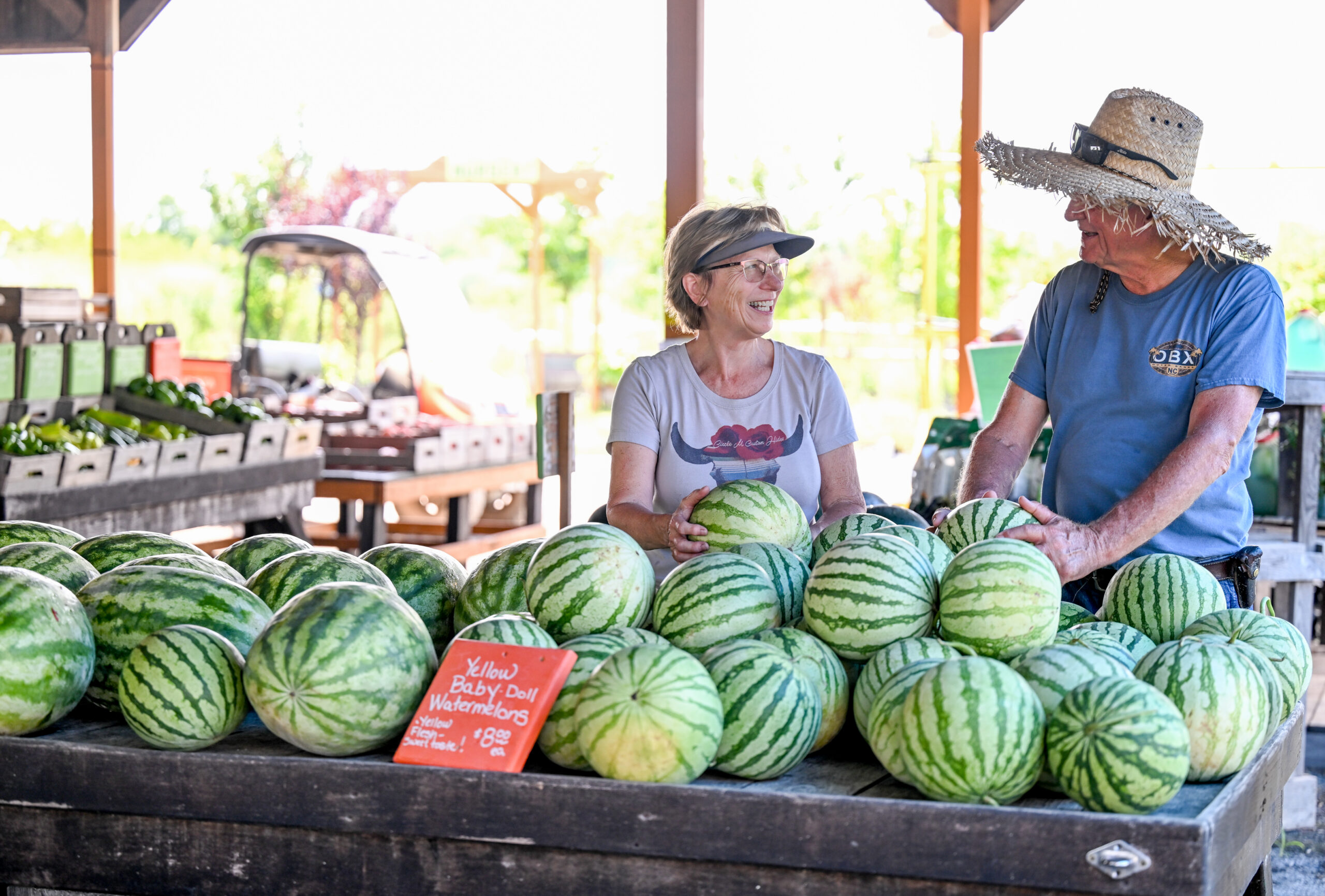
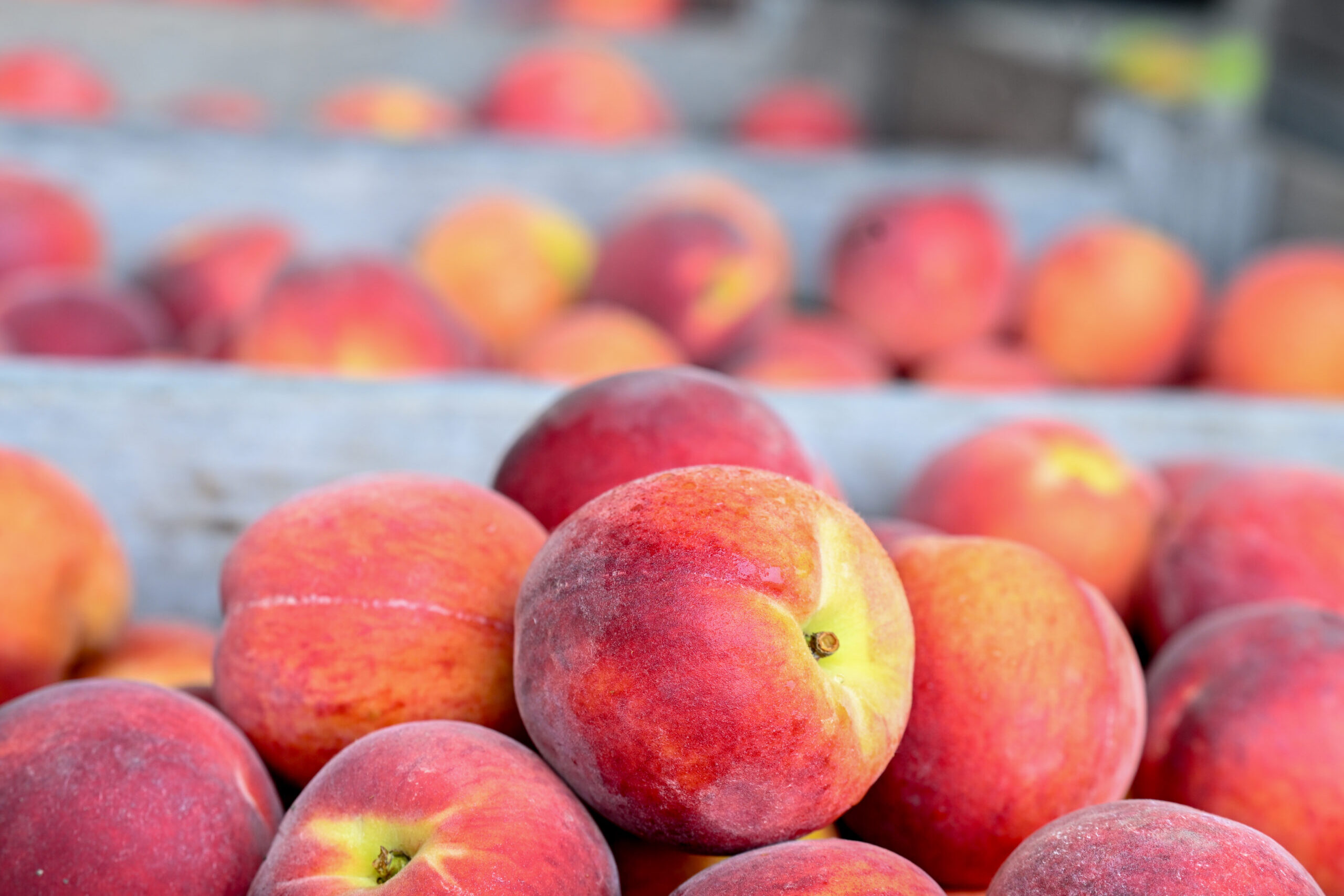
Brossman’s Family Farm is open seven days a week, from 9 a.m. to 6 p.m. and until 6:30 p.m. on the weekends. They have everything, from juicy tomatoes, kale, and onions to fresh eggs, baked goods, ruby-red strawberries, and much more. Customers can order baked goods by calling ahead of time. In the fall, they’ll have a pumpkin patch, homemade apple cider, and in-season produce such as pears, apples, corn, and gourds. When the snow hits the ground, they’ll sell Christmas trees, honey, pies, and jam.
For Brossman, it’s the people who visit that are his favorite part of running the market. Seeing them learn about the ecosystem and opening their eyes to the world of farming make it worthwhile for him. Brossman’s focus on education, care for his customers, and knowledge of how food is grown make his farm one-of-a-kind. ML
Published in the August 2026 issue of Middleburg Life.