


Locksley Farmstead Cheese Co.: Preserving Loudoun’s Dairy Heritage
Written by Lia Hobel | Photos by Shannon Ayres
In western Loudoun County, where open land is precious and working farms are fewer than they once were, Locksley Farmstead Cheese Co. offers a taste of the region’s agricultural past — and a hopeful model for its future. Set on 412 contiguous acres in the foothills of the Bull Run Mountains, the creamery’s defining word is “farmstead.” For Locksley, that means the cheese is made with milk from the same farm where it is produced, setting it apart from artisan cheeses made with milk sourced elsewhere.
As part of The Ag District, a working farm destination that also includes Chrysalis Vineyards and Little River Bakehouse, Locksley brings together land stewardship, local food, and Loudoun’s farming heritage in one place.
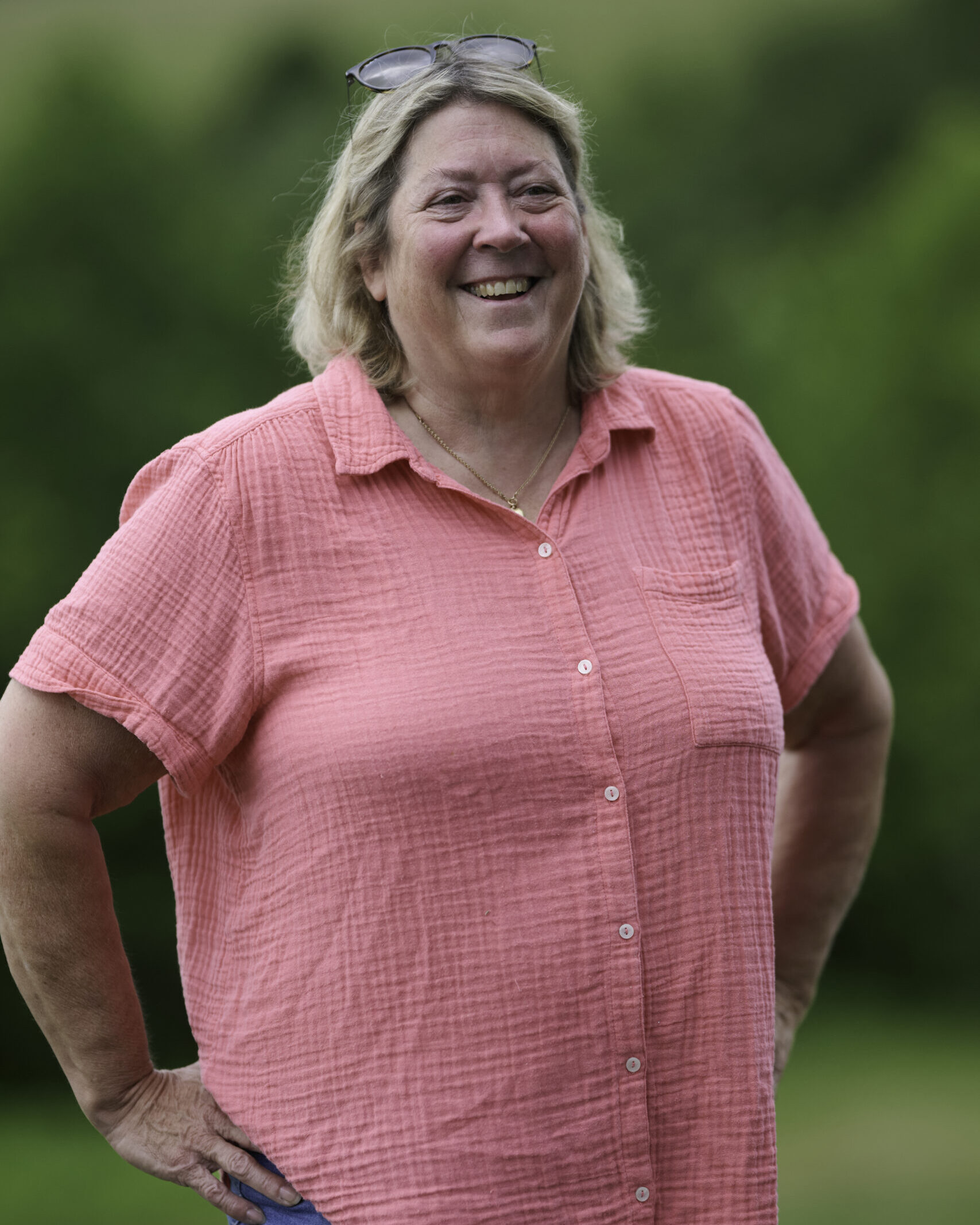
For Teri Scott, Locksley’s general manager, the story begins with owner Jenni McCloud’s vision for making the land both productive and purposeful.
“Jenni purchased the land, which was originally 209 acres and is now 412 acres, when she decided to enter the wine industry. The vineyard on this site occupies 50 acres, but that leaves a lot of land essentially unused, and she wanted to find other ways to make the land productive,” Scott explains. In addition to McCloud’s vision for the property and business, Scott had three goals, including “careful maintenance of the land and waterways, continuance of the agricultural heritage of the area, and production of the highest-quality local food and wine.”
In the 1950s, Loudoun County had over 400 dairy farms. That number has dwindled down to a single digit. As Scott shares, that shows that dairy milk production in the region alone is not viable unless you add a product like cheese. McCloud decided to utilize the pastures to build a dairy herd whose milk could be used to produce farmstead cheeses. The result is a farmstead operation rooted in the land itself. The distinction is especially meaningful in a region where cow’s milk farmstead cheese production remains uncommon. “Our production allows us to control the product from pasture to package. We know exactly what goes into our cheeses and produce high-quality, high-butterfat milk only for our cheese production,” says Scott.
Locksley serves as a reminder of both loss and resilience in the industry. “It’s an unfortunate reflection of the decline of farming in the U.S. Economic pressures, urban sprawl, and large corporate farming have all put small farms out of business. Our country was founded on an agricultural economy, with Loudoun County frequently referred to as ‘the breadbasket of the revolution.’ We’re proud to be a part of that heritage,” she says.
“We know exactly what goes into our cheeses and produce high-quality, high-butterfat milk only for our cheese production.” –Scott
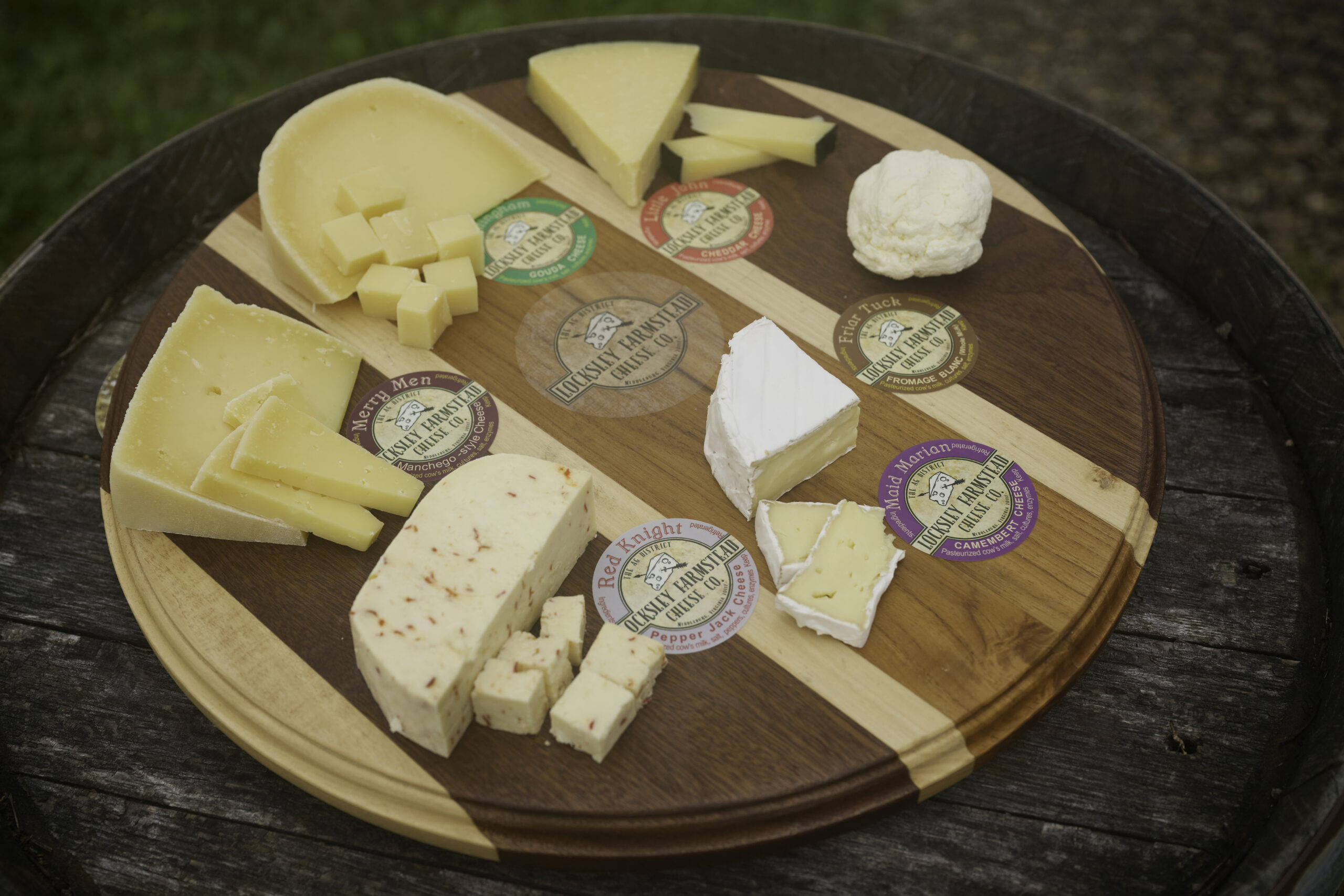
Ties to history also show up in the brand’s playful Robin Hood-inspired names. Locksley’s cheeses include Merry Men, Little John, Maid Marian, Friar Tuck, Nottingham, and more, each tying the creamery back to the farm’s original name. “The farm was named ‘Locksley Estate,’ so the Robin Hood theme was a fun way to connect the cheese to the farm,” Scott explains.
While the names may be whimsical, producing the cheese is serious work. Locksley’s herd is central to the flavor and texture of its cheeses, particularly because the creamery prioritizes butterfat and milk quality over volume. “Since we are using our milk to produce cheese, we focus on the butterfat content of the milk rather than the volume of milk produced. Jersey cows produce milk with the highest butterfat content, while Holsteins produce the largest volume of milk with lower butterfat. Our Jersey herd is primarily grass-fed, with grains added to their diet to supplement their nutrition, and they provide us with delicious, rich milk for our cheeses.”
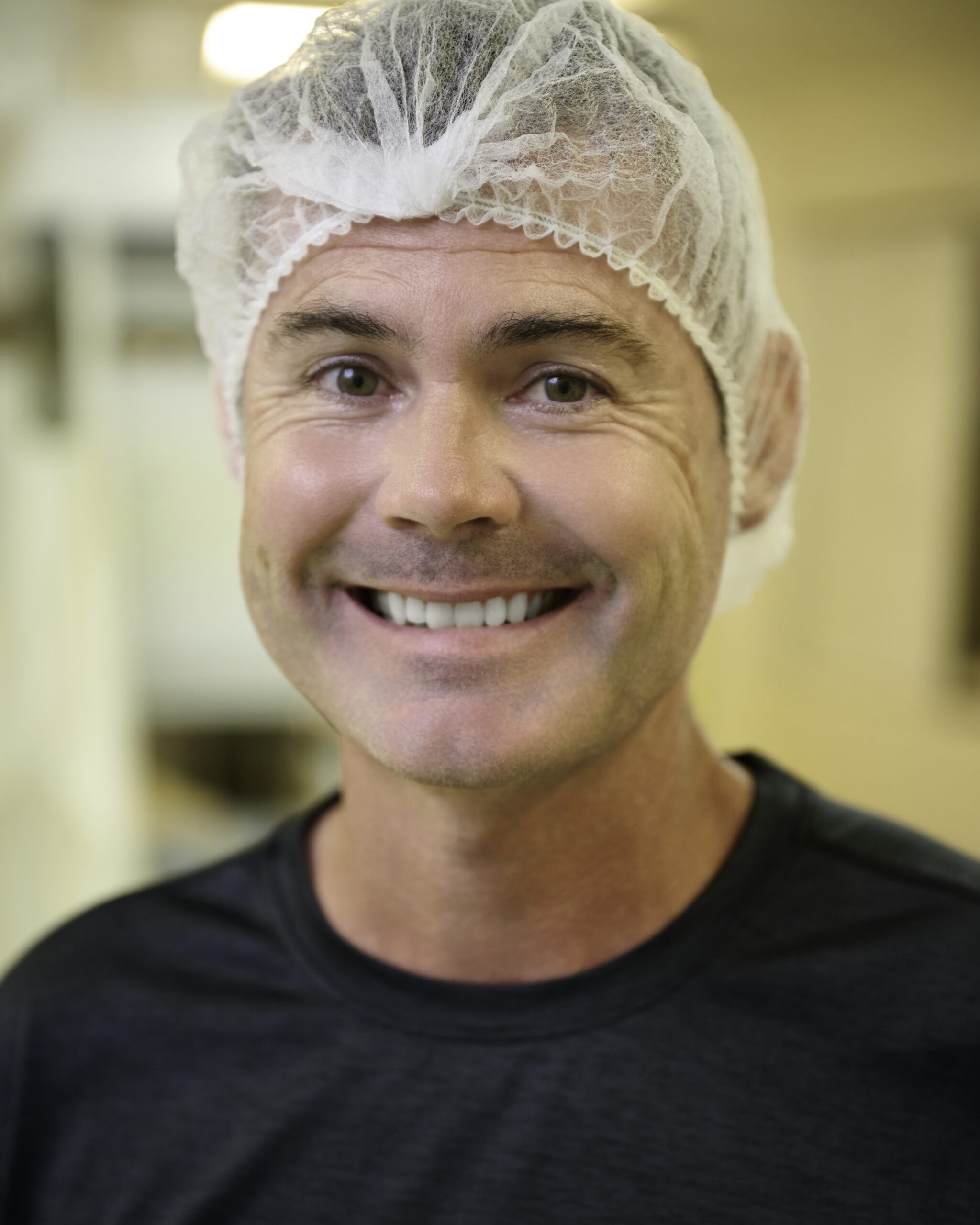
That attention begins in the fields with Steven Stiles, Locksley’s cheesemaker and herd manager. A fourth-generation dairy farmer whose own family had to sell their dairy farm, Stiles brings a rare depth of knowledge and experience to the operation. His work starts with the herd and pastures, where milk quality is shaped long before it reaches the creamery, and continues into the earliest stages of cheesemaking as he begins the process by making the curd.
His experience is visible in both the technical work and the daily care of the animals. “Happy cows make delicious milk,” states Scott, who notes that Stiles puts highest priority on the health and happiness of the animals. “He cares for our pastures and practices rotational grazing to ensure that the grasses maintain their nutritional value. Stress can affect milk production and even flavor, so he makes sure our cows are calm and well cared for at all times. He does a great job and we’re lucky to have him, and it definitely shows in the quality of our milk, which then makes delicious cheese.”
“We hope that they gain an appreciation for the hard work that’s required to successfully farm and recognize the value of knowing where your food comes from.” –Stiles
Inside the creamery, “the whole process is very hands-on, but the initial phase from the delivery of the milk to the creamery until it is removed from the molds is the most intense,” Stiles says. “The follow-up continues on a daily basis until the cheese is sold. The intuition really plays a part as we evaluate each batch and adjust our processes as we constantly push for improvement.”
For aged varieties like Merry Men, a Manchego-style cheese recently recognized among Virginia Living’s Made in Virginia awards, patience and observation are part of the recipe. “Over the years, we’ve been able to monitor how each variety of cheese ages and established timelines to ensure optimum flavor and texture,” Stiles adds.
For visitors, the experience is as much about connection to the food and land as it is about tasting. “We hope that they gain an appreciation for the hard work that’s required to successfully farm and recognize the value of knowing where your food comes from.”
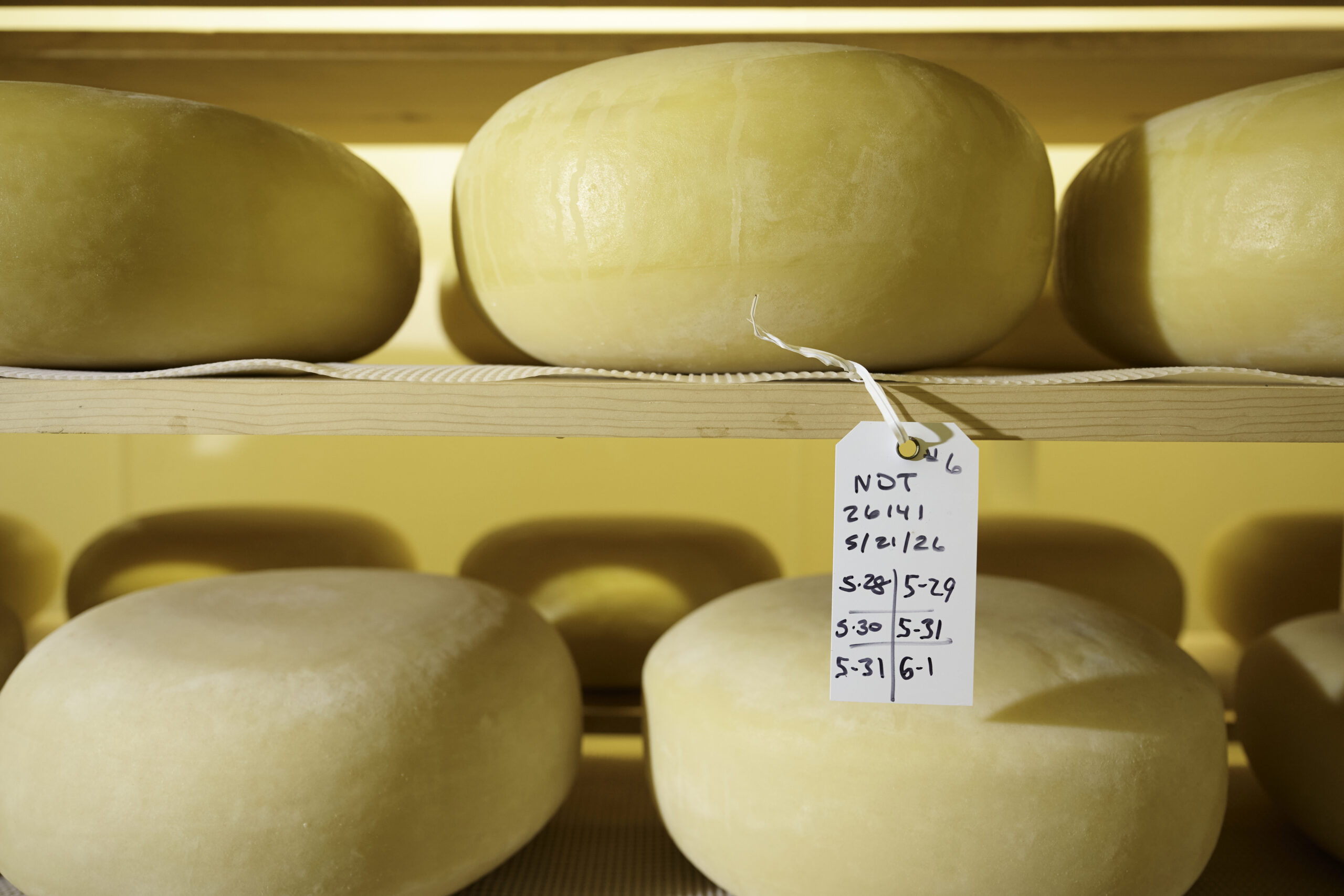
Though visitors enter The Ag District from Route 50, the farm itself stretches far beyond what can be seen from the tasting room. The dairy parlor and more active pastures sit on the original farm acreage, accessed from Champe Ford Road, while the creamery where the cheese is produced is located on the basement floor of The Ag District building. Milk is produced on the farm side of the property, then transported twice a week to the creamery, keeping the process entirely on the same grounds.
Guests can purchase Locksley cheeses directly from the tasting room at The Ag District, where staff can also point visitors toward current Chrysalis wines that pair well with each cheese. Patrons can enjoy the cheese alone or on gourmet pizzas. The tasting room opens at noon seven days a week. Hours are Monday through Thursday until 6 p.m., Friday and Saturday until 8 p.m., and Sunday until 7 p.m. Locksley cheeses can also be found at the Haymarket Farmers Market every other weekend.
Locksley Farmstead Cheese Co. is more than a creamery. It is a living link to Loudoun County’s agricultural roots, a place where heritage is not just preserved in memory, but worked into the land, stirred into the curd, and aged into every wheel. ML
Published in the August 2026 issue of Middleburg Life.