


Educating the Next Generation of Naturalists at Wakefield School
Written by Kaitlin Hill | Photos courtesy of Wakefield School
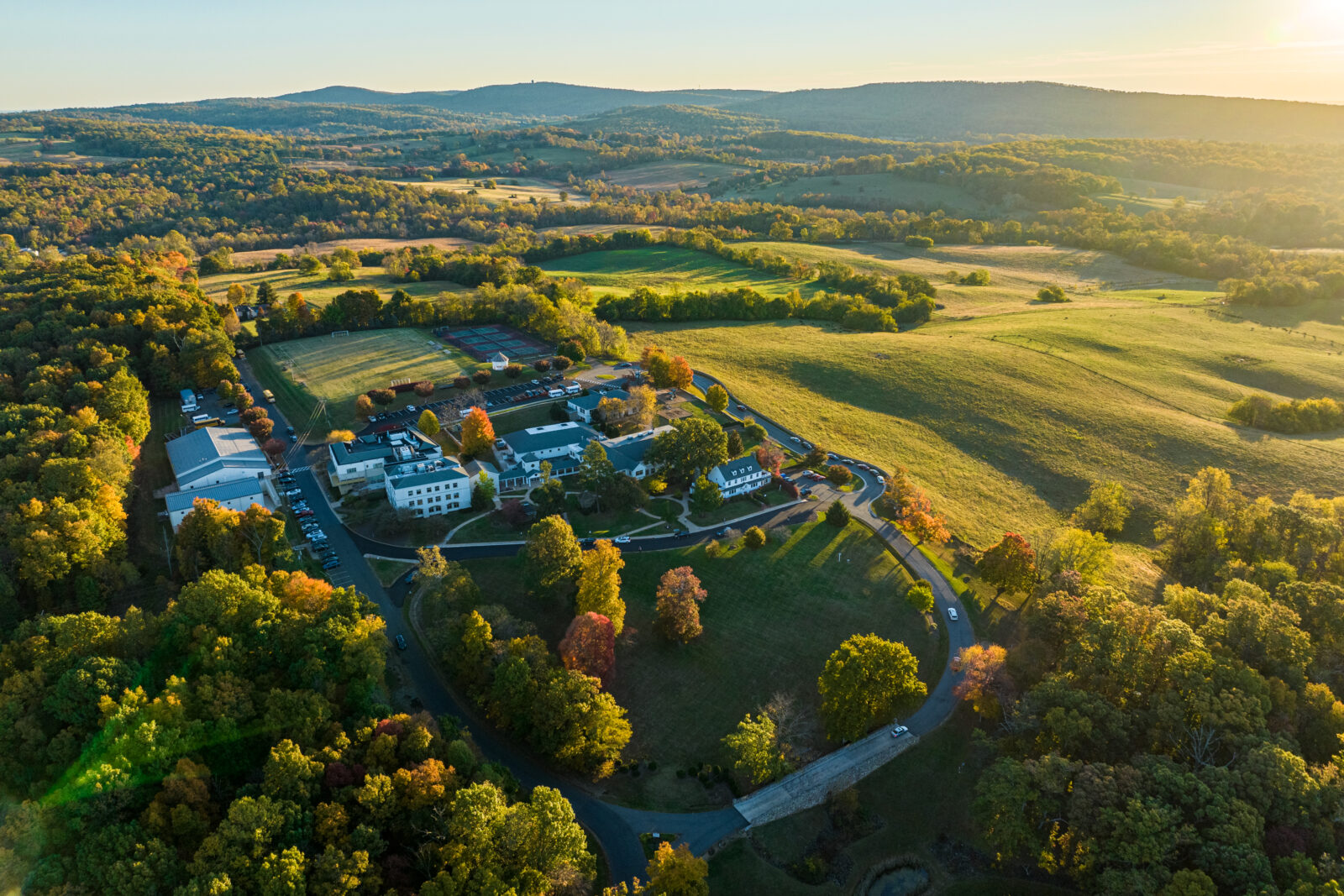
Sitting on 62.8 acres of sprawling countryside in The Plains, Wakefield School is an ideal place to study any subject, and as Head of School Ashley Harper explains, the campus is uniquely suited for outdoor education. From the butterfly garden to a row of Civil War-era white oaks, the campus lends itself to the nature-focused curriculum that Harper believes will encourage students to be “stewards of the future.”
The outdoor education program at Wakefield has “existed in various forms for a long time,” she shares, “but in the last three years, we’ve been much more intentional about aligning it with our mission and values.” Harper continues, “We’ve been expanding our environmental science curriculum, developing new courses — whether that be local ecology, Advanced Placement environmental science, or the Junior Master Gardener program in our Lower School.”
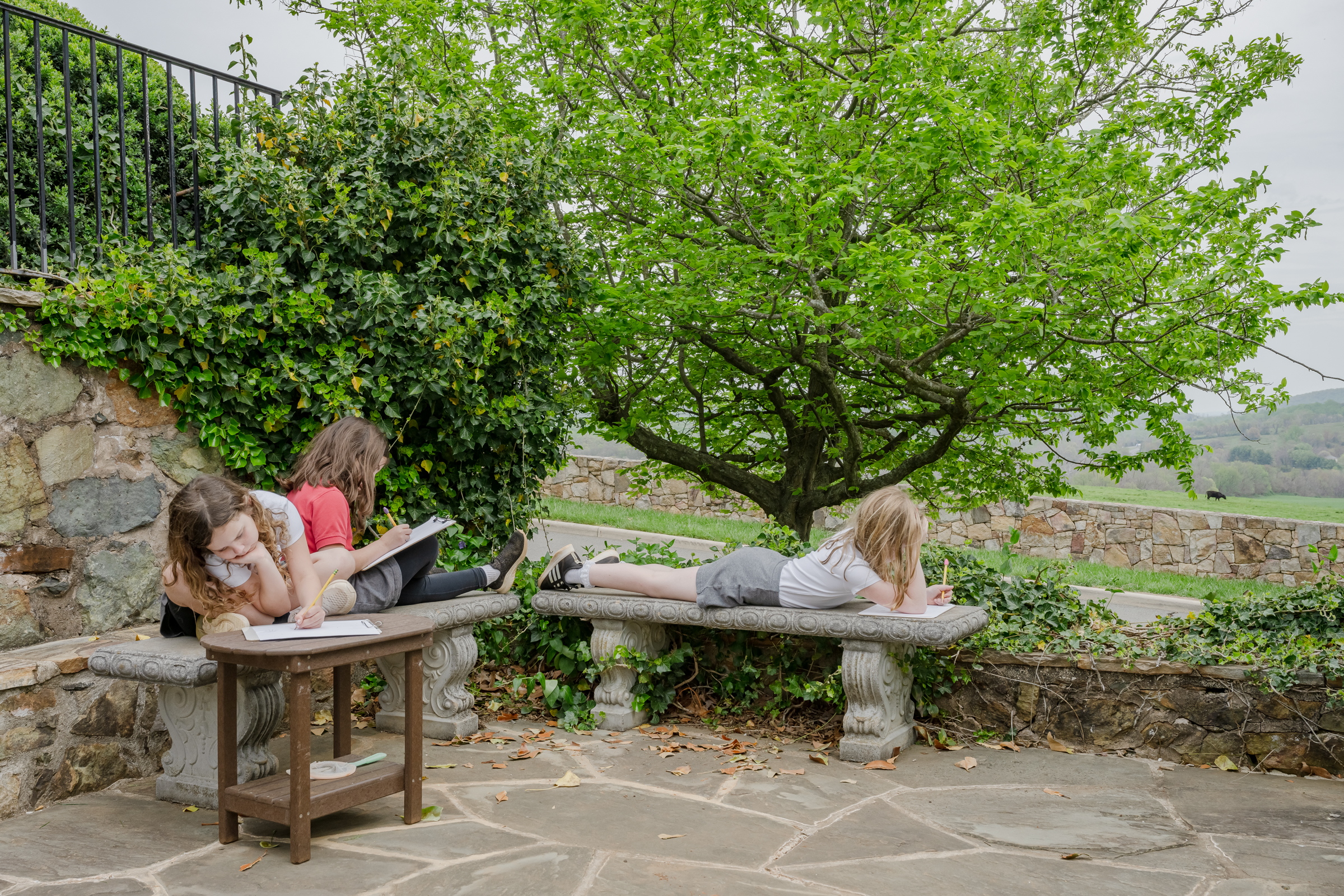
At Wakefield, outdoor learning is “intentionally built into the curriculum,” Harper explains. “Students experience a little bit of everything over time before specializing. As they get older, they have more opportunities to focus on specific areas through their elective choices.”
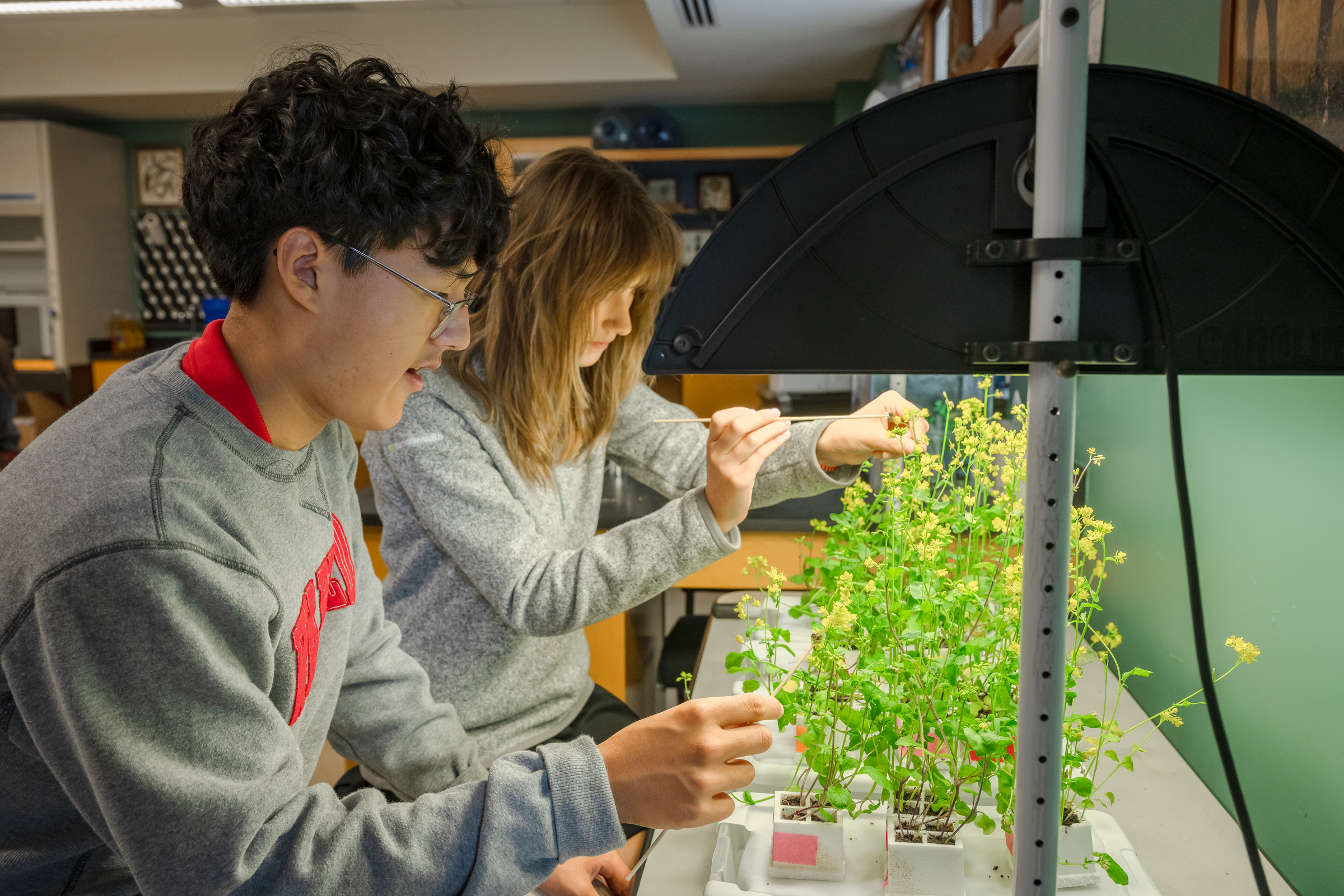
As examples, first graders will learn about the butterfly’s life cycle, weather patterns, plants, animals, and insects using Wakefield’s grounds as the classroom. In middle school, the curriculum continues to encourage curiosity with trips to the JK Community Farm highlighting the potential of sustainable farming as a solution for local food insecurity. Once in the Upper School, conservation ecology, local ecology, and environmental science are among the offerings for students still interested in the natural world.
“Students experience a little bit of everything over time before specializing. As they get older, they have more opportunities to focus on specific areas through their elective choices.” –Harper
Working with local groups is part of the program, too. Karissa Epley, Wakefield’s director of development, notes, “With Oak Spring Garden Foundation, we have curated several field trips … that the students will be taking this spring. We have worked with the Bull Run Mountain Conservancy for a very long time doing summer camps. We’ve had conversations with the Piedmont Environmental Council about curriculum integration and how we can [teach] everything from the economics of solar to soil sciences.”
Community and student reception of the program has been “exceptional,” Harper says. “People are excited about it and eager for more. We’re in the exploratory stages of fully integrating this into our campus, working with experts in the field to envision what our educational offerings will look like in two, five, or even 15 years as we bring this mission to life.”
Wakefield is also tapping into a generation-specific need. “Through research, professional development studies, and parent discussions at the school, we’ve seen how the rise of technology — especially smartphones — impacts students’ daily lives [and] has created a need for more grounding.” She continues, “We know they need more time in nature, more opportunities to disconnect from technology, and more real-life experiences.”
“It becomes a way for us to teach agency, action, policy, and responsibility.” –Harper
Harper hopes that the program at Wakefield can inspire other schools in the area and beyond. “With the conservation and stewardship in our area … we serve as a beacon and an example from a larger community standpoint of what the world can accomplish when like-minded people work together to conserve something that is really important to them,” she emphasizes. “That is part of the ethos of what we are trying to accomplish here: help students understand who they are in this world and that they have the agency and opportunity to act. And, that we have a responsibility to care for the world around us.”
Even beyond fostering respect for the natural world, however, outdoor education can be a positive influence on all aspects of students’ lives. It “benefits us emotionally, cognitively, [even] spiritually,” Harper says. “It becomes a way for us to teach agency, action, policy, and responsibility. It’s the lens through which we can live our mission of developing the character, curiosity, and clear voices that the world needs.” ML
Published in the April 2025 issue of Middleburg Life.