


How To Help During Kitten Season
Written by Lia Hobel | Photos by Sherri Holdridge
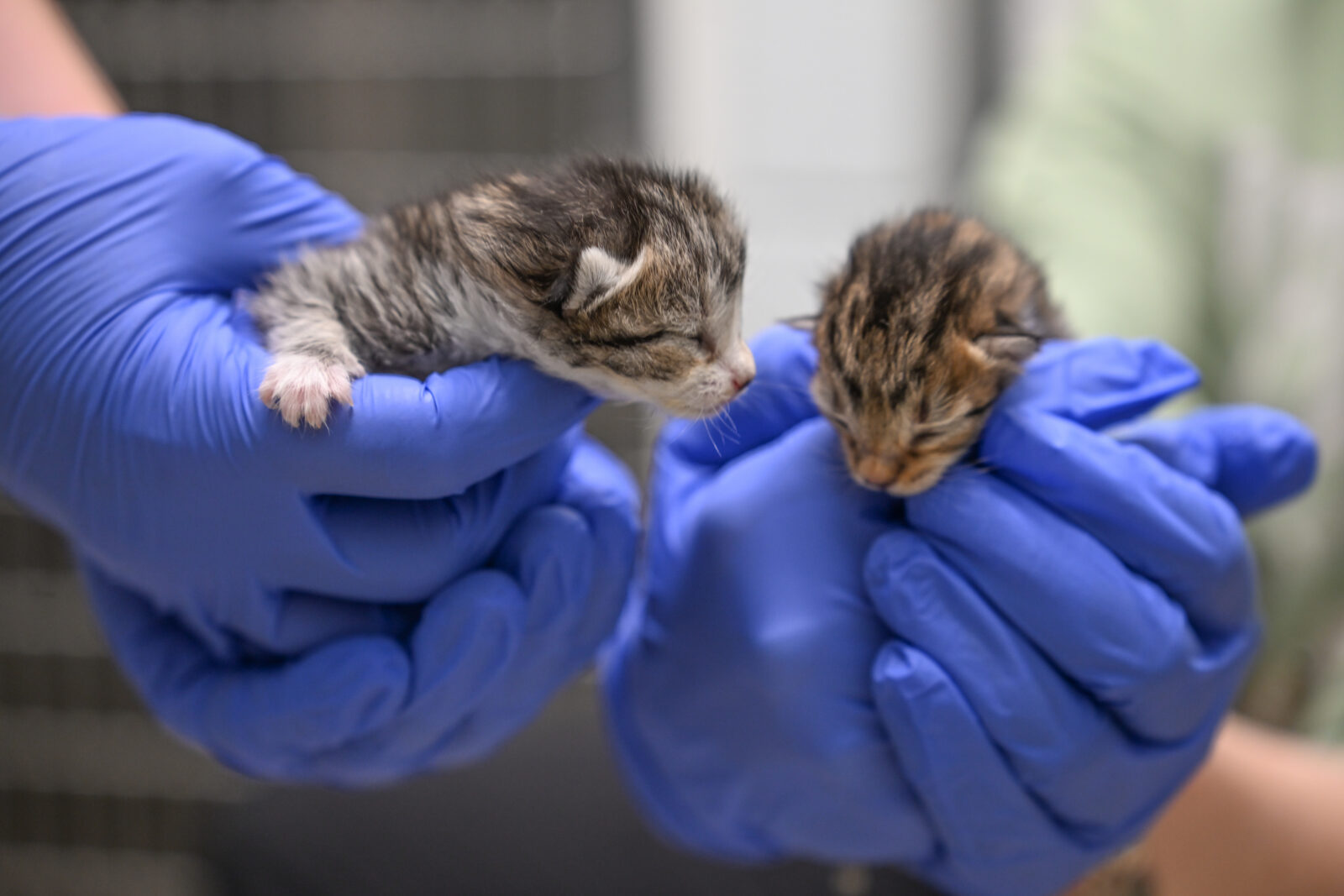
Each spring, as the Virginia countryside gives way to green fields and longer daylight, another season arrives with far greater urgency. It comes in the form of cardboard boxes left on porches, phone calls about litters tucked beneath sheds, and fragile kittens barely old enough to survive on their own. At Middleburg Humane Foundation, this annual rush is known simply as kitten season, though there is nothing simple about it. “Kitten calls are nonstop,” says Ashley Ney, who runs the foundation’s cat and kitten program. “It never really slows down once it starts.”
Ney has helped shape one of the region’s most responsive kitten rescue efforts. She joined MHF in 2017, first concentrating on community cats and trap-neuter-return (TNR) work. Over time, that role widened into a foster-driven rescue network that now reaches well beyond the bounds of a traditional shelter. What began as a practical response to kittens appearing in unmanaged colonies has become a carefully built system designed to save more lives, strengthen foster support, and interrupt the cycle before the next litter is born.
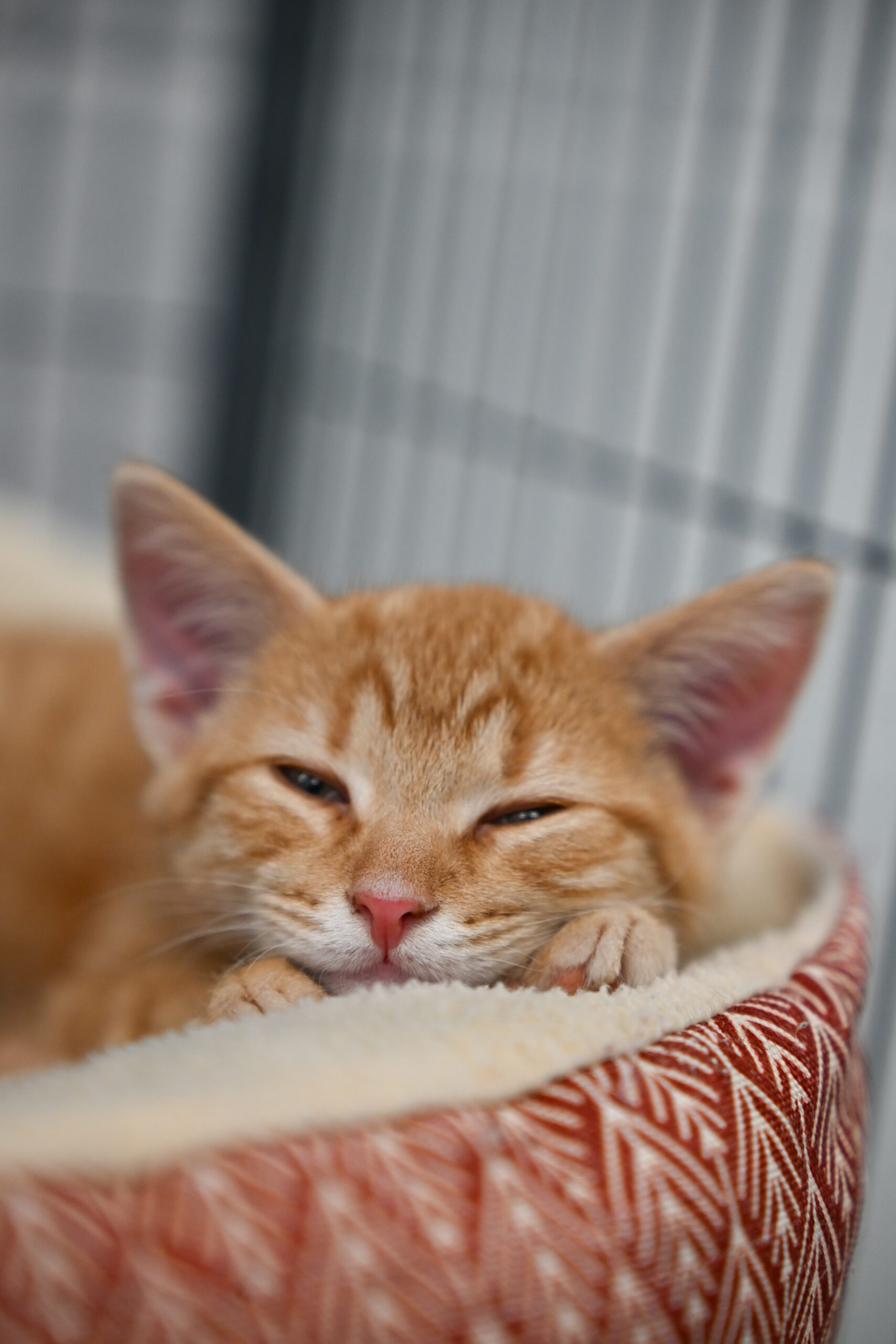
One of the clearest expressions of that growth is the foundation’s “Kitten College,” a foster-based model that pairs kittens with volunteers according to skill and experience. New fosters may begin with older kittens requiring less attention, while veteran volunteers take on bottle babies and medically fragile cases. The approach is both humane and practical, giving people a way to build confidence while ensuring the most vulnerable animals receive the level of care they need. “We try to set people up to succeed,” Ney says. “If someone has a good first fostering experience, they’re much more likely to come back and do it again.”
Ney is equally quick to recognize the people who make the work possible, especially Dr. Matt Galati, MHF’s full-time veterinarian. The two began working together in 2019, when Galati volunteered with TNR clinics, and his presence has since transformed what the program can do. Kittens in crisis can now be assessed and treated with far greater speed, a difference that is often lifesaving. Galati says one of the greatest advantages of having an on-site veterinarian is the ability to intervene immediately. “Having a veterinarian on staff means that we can treat all of the common and some of the more challenging diseases that cats and kittens may suffer from due to a lack of care and/or exposure to contagious disease,” he says. “That allows for early intervention and better outcomes for the cats, and a significantly reduced cost for the organization; we are able to provide care in-house, immediately, for less than what it would be if we needed to go to an external vendor.”
The need, meanwhile, continues to swell. In 2020, the program handled 118 kittens throughout the season. This year, the number has already risen sharply, and the ambition is larger still: to bring as many as 700 kittens through the program. For an organization built so heavily on foster homes, every additional volunteer expands the circle of rescue. “More fosters really does mean more lives saved,” Ney says.
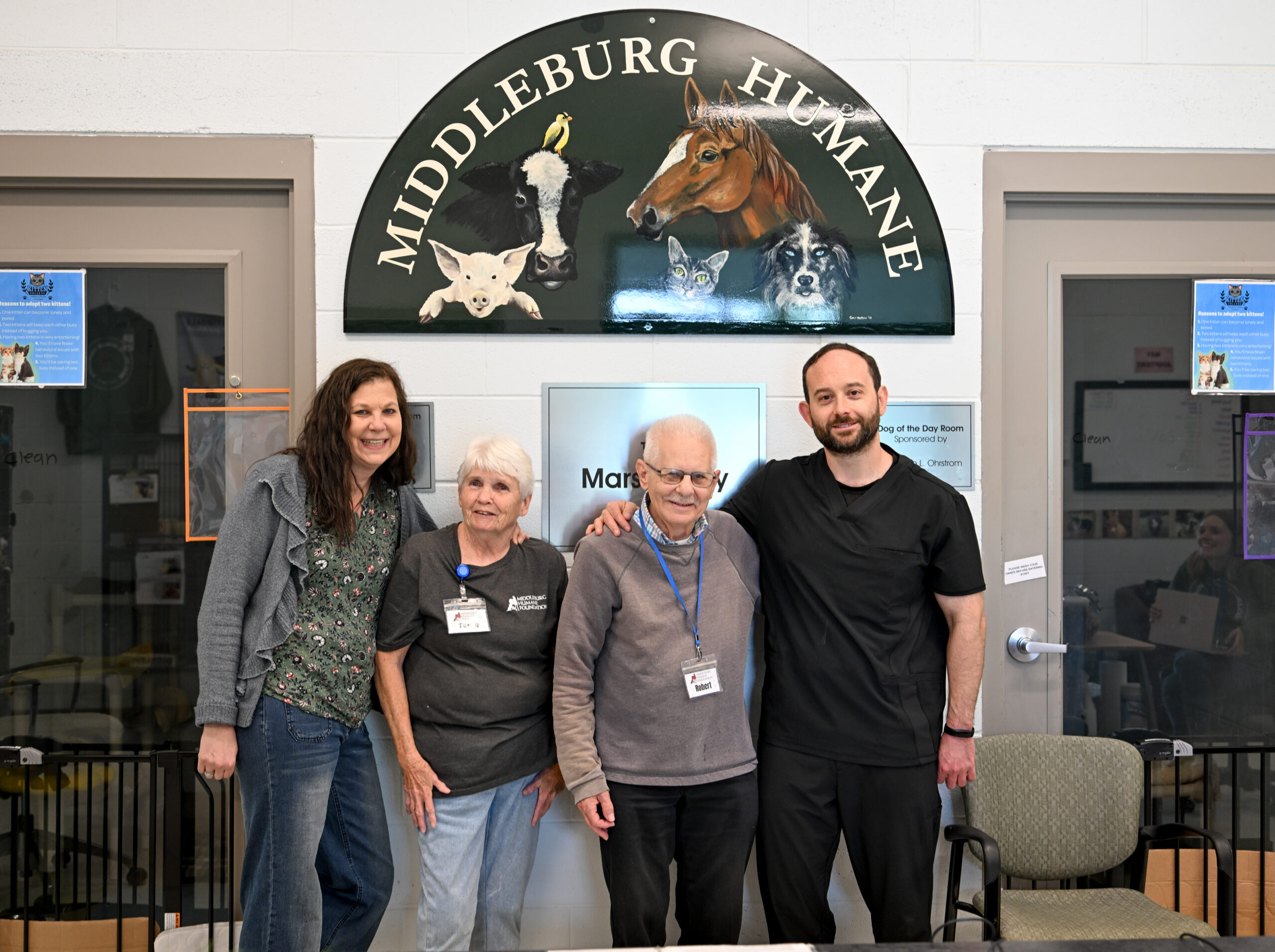
The program’s mechanics are deceptively simple: kittens come in from outside, from local reports, or from partner shelters in areas with fewer resources. They are evaluated, treated if needed, and sent into foster care until they are old enough and healthy enough for spay or neuter surgery and adoption. In practice, however, the operation requires constant coordination. Ney maintains a network of roughly 30 fosters and works to match each incoming litter to the right home at the right time. Neonatal kittens are among the most vulnerable animals a shelter can receive, facing especially high risks of illness and death without immediate care, and Galati believes that is where the foundation can make one of its most immediate impacts. MHF, he says, is uniquely positioned in both location and resources to help these cats. “Keeping up with demand during kitten season is always a challenge,” says Galati. “We don’t have the capacity to treat every kitten that we receive a call for help on, but we try to accept as many as we can without compromising care.”
That system is especially vital at the height of the season, when requests can arrive at any hour. Some concern newborn litters found alone; others involve outdoor cats that have been reproducing for generations because no one knew whom to call. In many cases, timing is everything. “If we know about them early, we can help,” Ney says. “If kittens get older and more feral, it becomes much harder to trap them, and much harder to break that cycle.” For her, the work is both strategic and immediate: act quickly enough and a litter can be saved; wait too long and the problem multiplies.
Fostering, however, remains one of the program’s most valuable tools. A single household willing to take in one litter for a few weeks can open the door for several more kittens to be rescued, stabilized, and prepared for adoption. To make that possible, the foundation provides food, supplies, medical support, and guidance from experienced foster mentors. “People often think they have to know everything before they start,” Ney says. “But we can teach them. We can support them. What the foundation needs most is for people to say yes.” Galati puts it just as plainly: “Fostering is hard and there are going to be some difficult days, but it is one of the most worthwhile things you can do to help an animal in need.”
The value of that infrastructure is often revealed in the narrowest of margins. Before Galati joined the effort, urgent cases depended on outside appointments and uncertain timing. Now, kittens that arrive underweight, ill, or in immediate distress can be triaged far faster. Ney recalls one recent kitten, George, who came in so compromised that staff feared he might not survive. With intensive care, he began to recover. Such stories are small miracles made possible not by sentiment alone, but by preparation, expertise, and the refusal to look away.
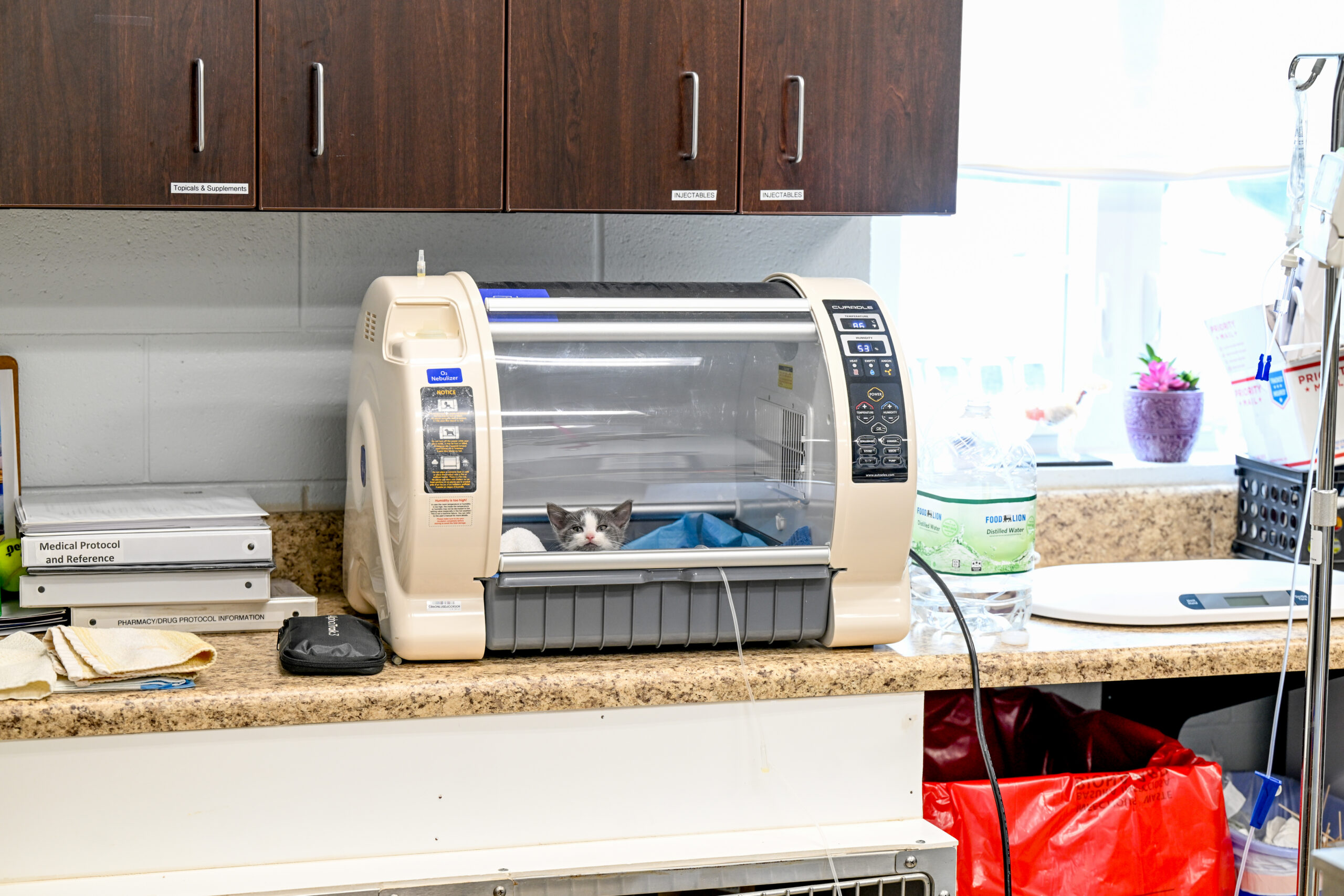
The need extends beyond Middleburg itself. While Fauquier County is the foundation’s first priority, the program also assists other nearby communities when capacity allows, and has at times taken in kittens from parts of southwest Virginia where shelter resources are more limited. At the same time, adoptions move quickly. Kittens may be available one week and gone the next — a welcome occurrence, but also a reminder of how fast the program must operate to keep pace.
Inside the cat areas at MHF, the goal is not simply to house animals, but to create an environment where adoptable cats can be seen as individuals. Some live comfortably in shared spaces, while others need quieter rooms of their own, and the foundation’s “catio” gives certain cats a chance to move between indoor and outdoor spaces when the weather is warm.
For readers wondering how to help, Ney’s answer is direct: foster if you can, report outdoor cats early, and support TNR efforts before kitten season becomes a crisis. The foundation also offers financial assistance for community cat support when needed, helping remove barriers for residents trying to do the right thing. Those interested in adopting can visit the MHF website to view available pets and apply, while social media offers updates on current cats, kittens, and special adoption promotions.
In the end, kitten season at Middleburg Humane Foundation is sustained by distinctly local collaboration: neighbors who notice, fosters who make room, veterinarians who move quickly, and a team determined to meet urgency with care. Under Ney’s leadership, the program has become more than a rescue effort. It is a form of quiet, disciplined intervention that changes outcomes one litter at a time. ML
Published in the June 2026 issue of Middleburg Life.