

Wine FAQ: You Asked, Experts Answered
Written by Clare Gifford
Each October, we celebrate wine month by highlighting the people, places, and pours behind Hunt Country’s finest wine. This year, we turned to Sydney Smith at Greenhill Vineyards in Middleburg and Preston Thomas of Slater Run Vineyards in Upperville to answer questions our readers have asked over the years and a few we’d like to know more about ourselves.
ML: What is the best way to store an opened bottle of red wine?
Smith: Some people use the cork, a wine stopper, or a Vacu Vin. The less space for air in the bottle, the better.
Thomas: If a pump isn’t available, sealing with a cork/stopper is sufficient for a couple of days. In my experience, with bolder and more tannic reds, not pumping out the air actually makes the wine taste better the next day!
ML: Why are whites served chilled?
Smith: Many white wines are produced to be refreshing with more delicate aromas, which chilling to 40 to 50 degrees Fahrenheit helps achieve for those lighter, crisp wines.
Thomas: Whites are served chilled so that the flavor compounds do not volatilize too quickly. Since white wines are made by pressing the juice out and removing skins, there are a finite amount of delicate chemical precursors to be fermented and converted, so serving them chilled preserves those aroma compounds.
ML: Is it possible to keep leftover Champagne bubbly? If so, how?
Thomas: It is possible to keep sparkling wines carbonated by using a sparkling wine stopper… I’ve also flirted with the idea of using a SodaStream or something similar to reintroduce CO2 into a flat sparkling wine, but this is merely a nerdy theory I’ve had and I don’t think you could get the pressures required.
ML: How soon before serving should I decant my wine?
Smith: Tannins and age are the biggest factors for decanting, but start with 15 to 30 minutes before and taste in those same intervals until you think it has improved to your liking.
ML: Is a $200 bottle of wine really better than a $20 bottle?
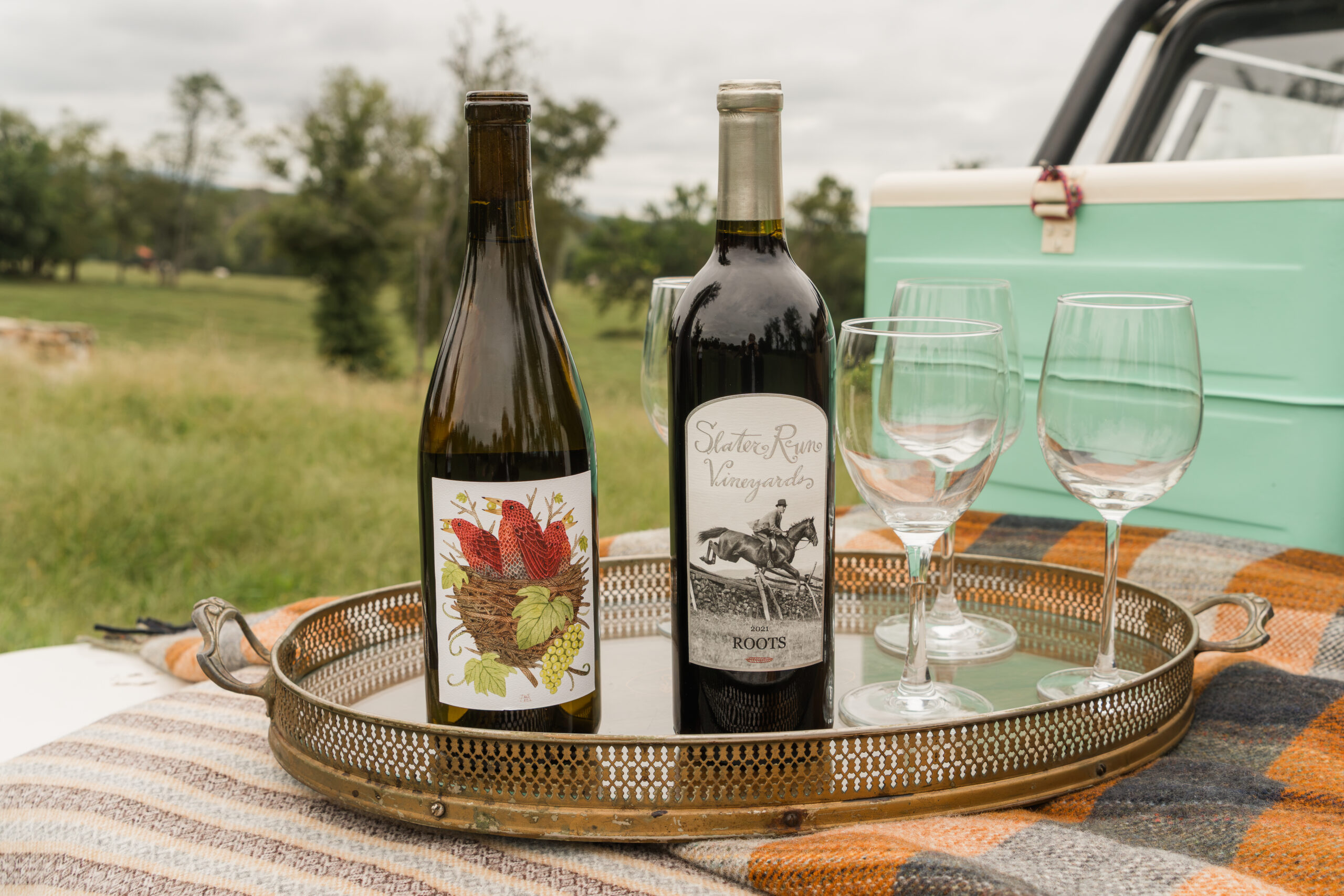
Smith: It all depends! Whichever wine you prefer is the one that is better to you!
Thomas: At the expense of seeming snobby, yes! The differences between a $200 bottle and a $20 bottle are fruit sourcing (often better vineyard locations and single vineyard/row selections), new French oak barrels that provide elegance and finesse, more human inputs throughout fermentation and aging, and packaging costs.
ML: Where do wines get their “other flavors” (like red fruit, floral, or even black pepper) from?
Smith: There are many factors that create flavor profiles in a wine, from the varietal itself to the yeast used during fermentation to the aging process. For example, Cabernet Franc inherently has chemical compounds in the grape that present as black pepper.
ML: What is the appropriate way to hold a wine glass and does it depend on the type of wine?
Thomas: The appropriate way to hold a wine glass is by the stem. This is so that the palm of your hand does not warm up the wine. Back to my earlier comment about serving temperatures, warmer wine will cause the aroma/flavor compounds to volatilize too quickly and the wine will not present as intended. So, pinkies up!
ML: What advice would you give to someone just starting their wine drinking journey?
Smith: Don’t get overwhelmed. Find something you like, figure out what you like about it, try similar wines, and take notes!
Thomas: The best way to learn about wine and begin your journey into wine is to open your mind up to limitless curiosity… At its very core, wine is just fermented grape juice that we do really cool things with, so pretension should not be involved. ML
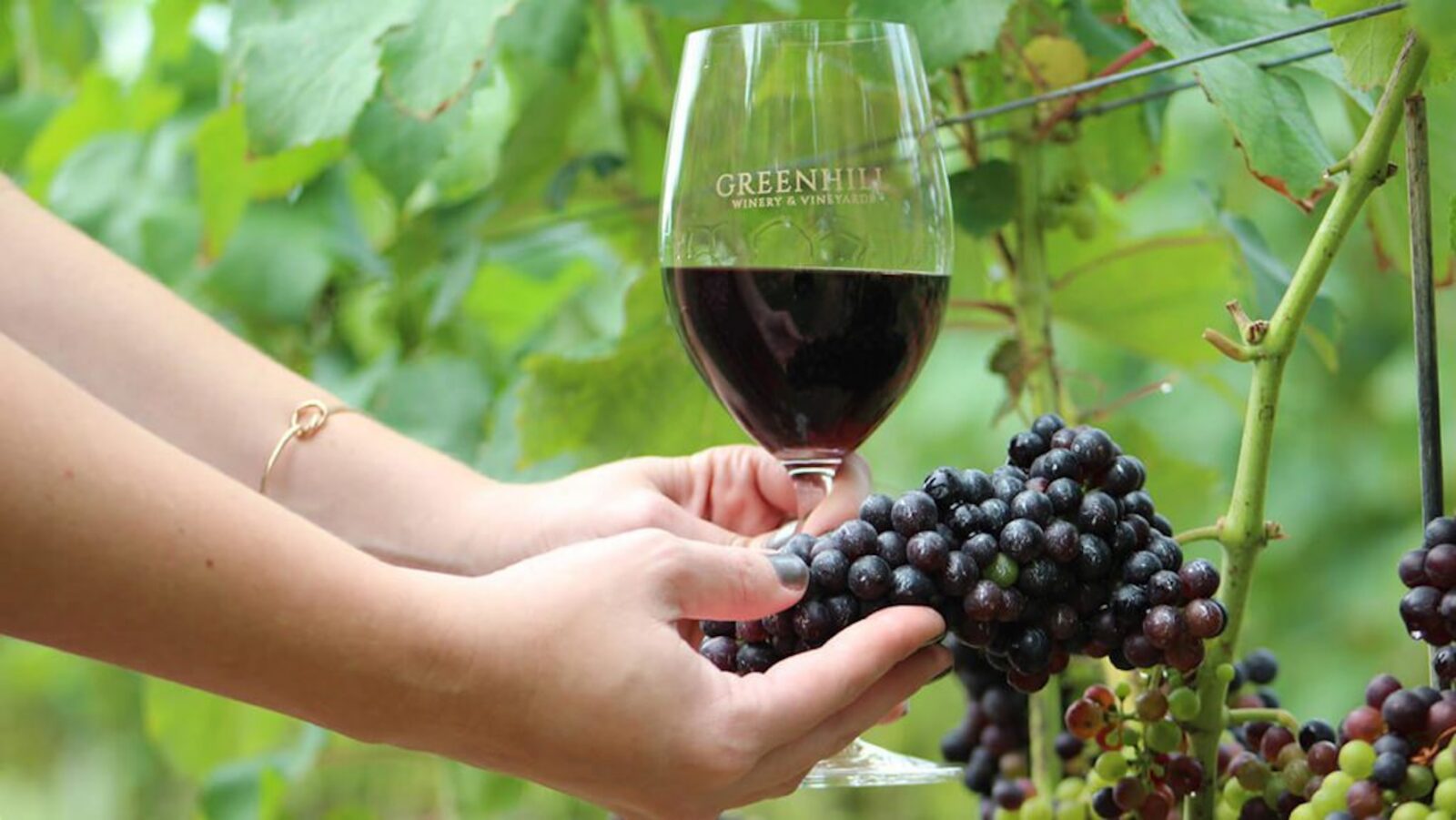
Featured photo courtesy of Greenhill Vineyards.
Published in the October 2026 issue of Middleburg Life.