


A Second Life for Storied Objects
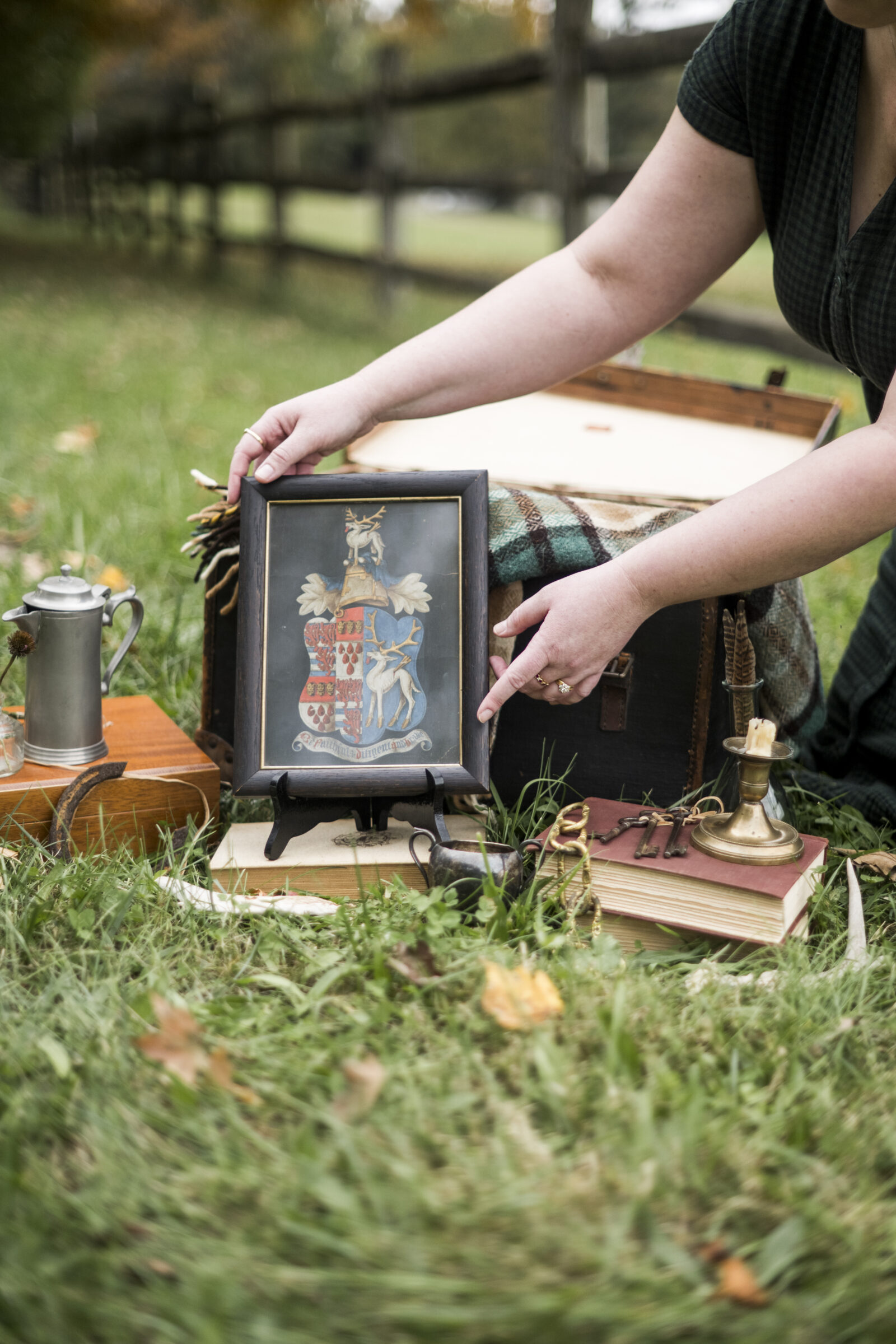
At Rare & Respair, Loudoun County curator Leah Thomas brings research, careful stewardship, and a sense of discovery to antiques for modern homes.
Written by Lia Hobel | Photos by Gracie Savage
A centuries-old ceramic pitcher sat beneath a layer of grime in a Madrid antiques shop when Leah Thomas noticed a warm, honey-colored glaze peeking through. She brought the vessel home from Spain wrapped carefully and stowed in her purse. Only later, while cleaning it, did she discover its most curious detail: three fingerprints pressed into the clay by the potter who had glazed it 250 to 300 years ago.
“There was this essence of the human who created it that is literally visible and tangible, and you can put your own finger just right on top of that,” Thomas says.
That intimate connection across time is at the heart of Rare & Respair, the antiques and curatorial business Thomas launched last December. Based in Loudoun County, the venture is both an extension of her museum career and a return to what first drew her to art history: working directly with artifacts.
Thomas earned a master’s degree in art history from the University of North Carolina at Chapel Hill and has spent years in the museum and cultural sector in the greater Washington, D.C., area. As her career increasingly filled with meetings, emails, and administration, she found herself missing the tactile and investigative parts of the field.
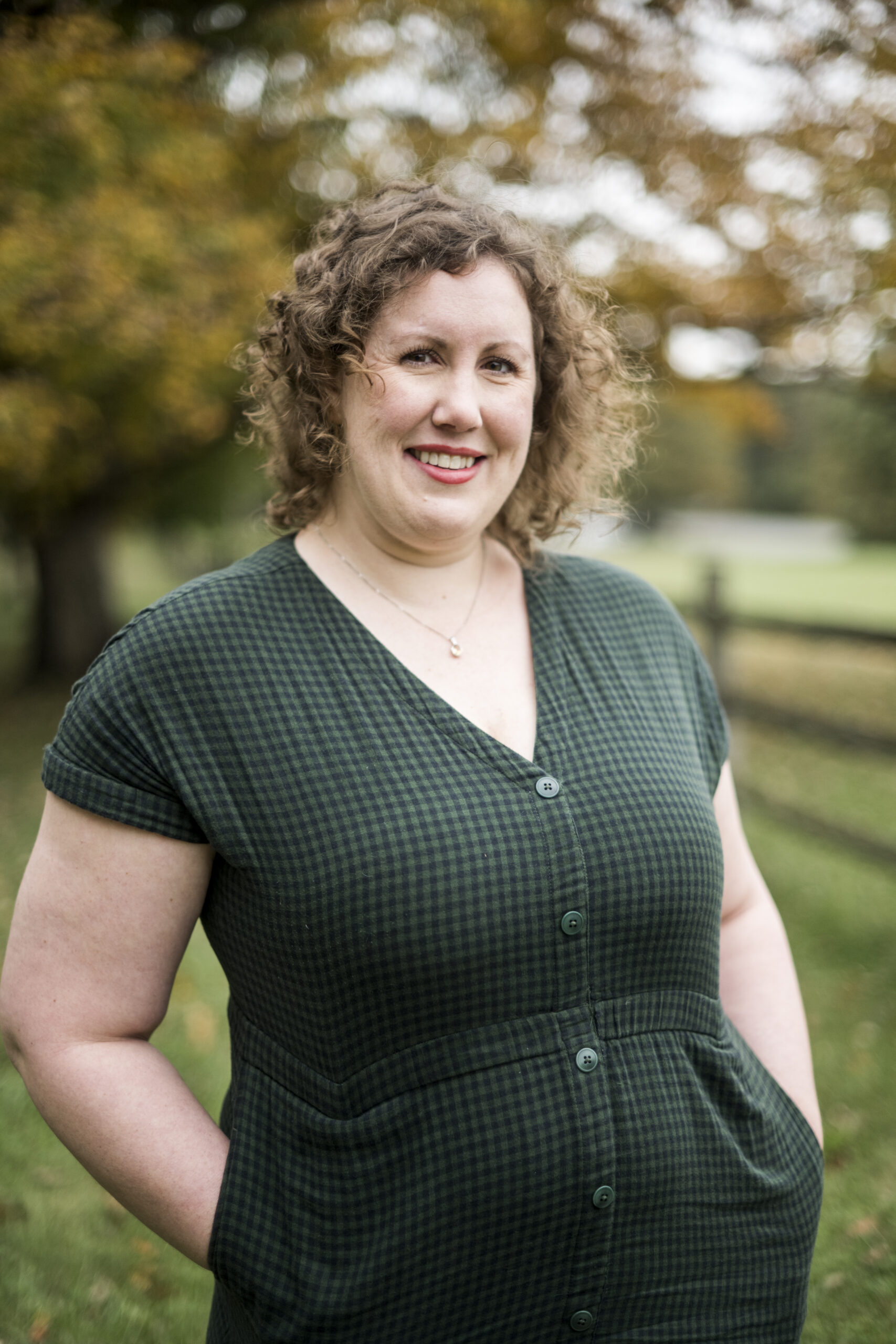
Rare & Respair became a creative outlet — one that allows her to discover relics, carefully clean or stabilize them, research their provenance and context, and develop an interpretive framework for each piece. “The business has become an extension of my career in museums,” she shares.
The unusual name captures that philosophy. “Respair” is a Middle English word meaning fresh hope, renewal, or the return of light after despair. To Thomas, it describes the renewed life of objects that may have been left on dusty shelves, in storage units, or in basements before being seen and appreciated again.
“Rare,” meanwhile, is not simply a measure of scarcity or market value. As Thomas says, “One thing is going to jump out at you and really speak to you on a personal level. That feeling is rare.”
Thomas is comfortable waiting for that to happen. She describes much of her inventory as “long tail”: distinctive pieces whose right buyer may take time to appear. The goal is not merely to move an item, but to place it with someone who feels compelled to care for it and become its next steward.
For clients seeking a more immediate match, Thomas offers “cabinet collections” — fixed-price groupings built around a selected aesthetic. Available for shipping or local pickup, the approach offers a lighter-touch version of her personalized curatorial services and work especially well as gifts or surprises.
Her custom collection-building process takes that curatorial approach further. Thomas begins by learning as much as possible about a client’s space, tastes, priorities, and budget. Photographs, floor plans, paint colors, placement, and scale all matter. A mantel arrangement must work as a vignette, while pieces dispersed throughout a room need a different visual rhythm.
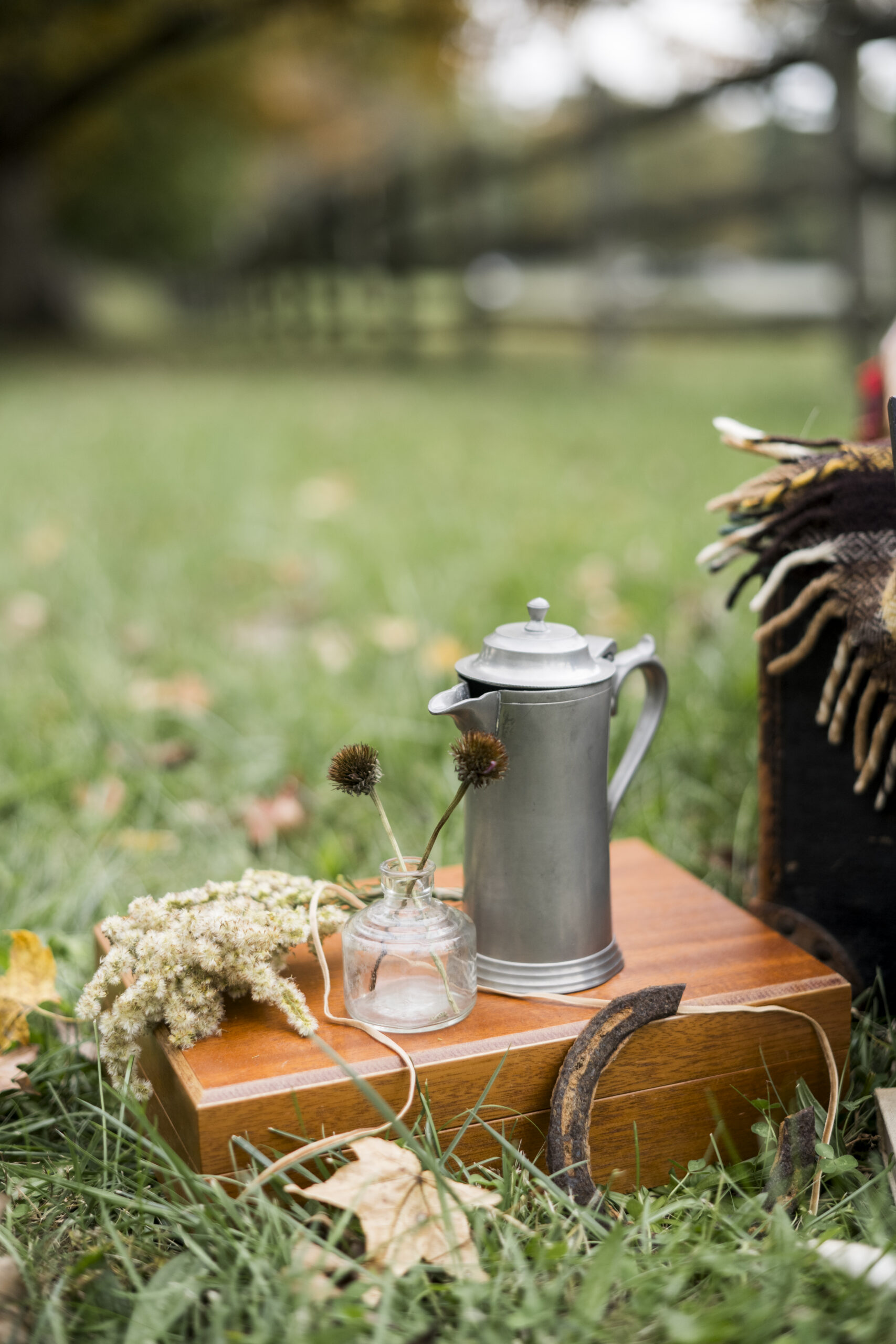
Thomas includes a curator’s note with these assortments. Like a miniature exhibition guide, it includes a list with materials, dimensions, dates, signatures, and marks, as well as the historical and interpretive context that explains why the pieces belong together and how they speak to the client’s home. An early custom collection, “The Fairy Garden,” shows that process at work. Created for a client who wanted to share the experience of building a fairy garden with her granddaughter, the collection used the story of the Cottingley Fairies as its interpretive framework. Thomas sourced vintage items entirely from local shops — primarily the Lucketts Store and its outdoor selection — and imagined new uses for them within a miniature landscape. The accompanying note united the pieces through research and narrative, while market research, pricing, and budget considerations remained part of the behind-the-scenes process.
Thomas notes that she is not a trained conservator and only undertakes work she can perform responsibly. Her rule is to use the lightest touch possible and to research an object’s age and materials before acting. When stabilization is appropriate, she follows the museum principle that interventions should be reversible.
An Art Nouveau glove box that she found in Spain illustrates that approach. Its joints were loose and its velvet lining had partially detached, so Thomas used reversible hide glue to secure it. The aim was not to make the box look new, but to make it stable enough to continue its life.
This method has a natural resonance in Hunt Country, where stewardship is visible in the preservation of land, historic places, and traditions. Thomas sees a parallel between those values and her responsibility toward material culture. “I’m a temporary caretaker of objects. My role is to help them continue their lives in new homes for generations to come,” she explains.
Seasonal rhythms, native plants, historic architecture, natural materials, and the relationship among homes, gardens, and countryside all shape how Thomas builds collections. Her academic specialty is early modern English art, while the business draws broadly from Northern Europe, the mid-Atlantic, and New England. She gravitates toward pieces that show craftsmanship, use, and evidence of several lives already lived.
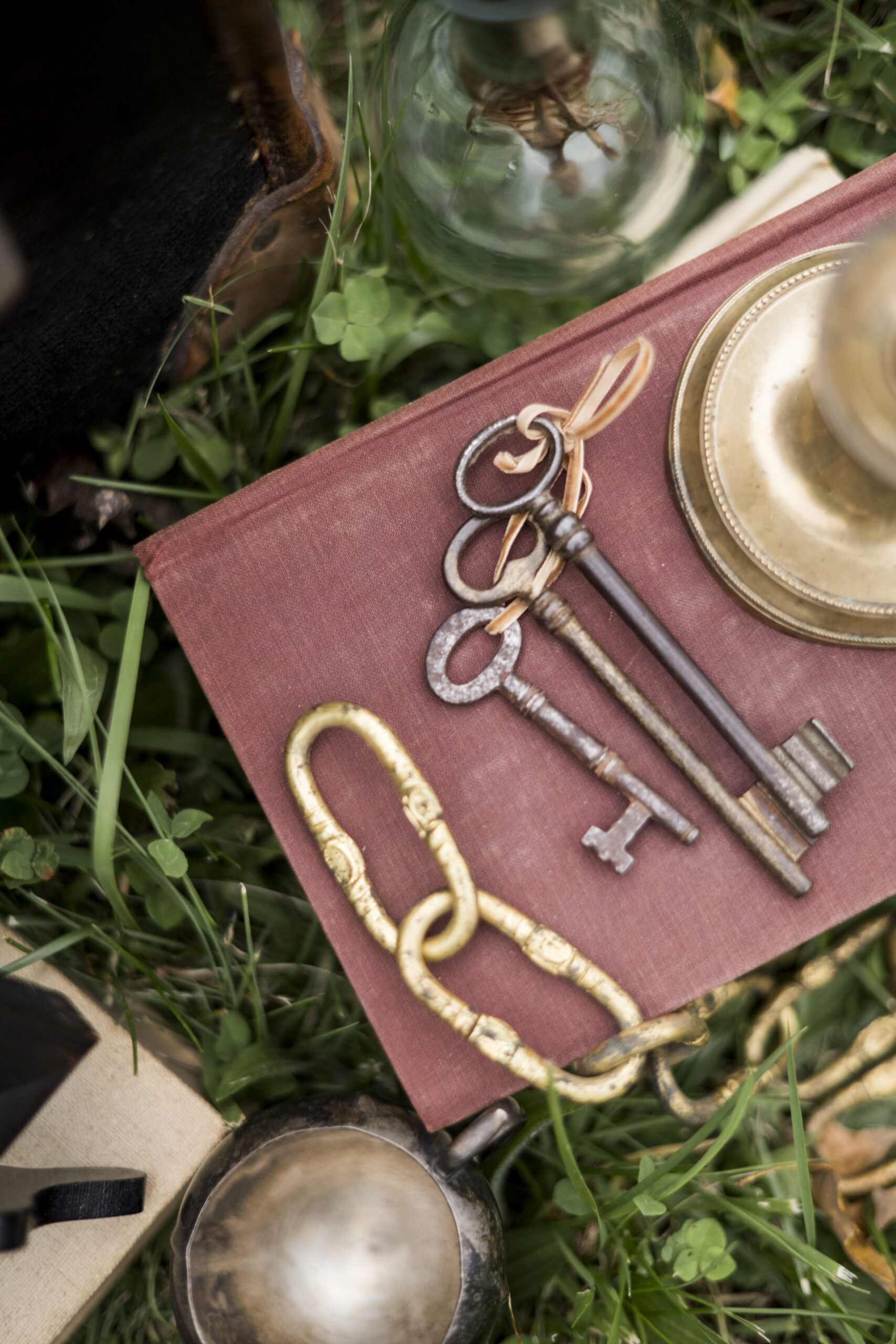
In Valencia, a box of skeleton keys offered another small moment of revelation. The shop was so dark that Thomas did not realize one key was gilded until she returned home and caught sight of the gold. Discoveries like that — the glaze beneath the dust, the fingerprints in clay, the glint of an old key — reward patience and close observation.
As Rare & Respair approaches its first anniversary next month, Thomas is bringing that attention closer to home by focusing more on Loudoun County and the surrounding Hunt Country community. She hopes to establish ties with local private collectors and build trade relationships with interior designers, photographers, stagers, and other creative professionals.
Those relationships, she says, make curation personal. With time, she can better understand what a client notices, values, and wants to live with. In turn, an old object gains another chapter — not erased or remade, but carefully carried forward. ML
Published in the November 2026 issue of Middleburg Life.